You’ve done Santorini. You’ve heard the Mykonos hype. And don’t even get started on Ibiza — you’re still recovering from the hangover of 2010. But what if I told you there’s a whole other layer to Europe’s sun-drenched coastline? A quieter, quirkier, and frankly more magical layer. You’re about to explore the unknown islands in Europe — the ones the guidebooks skip, the Instagram influencers haven’t overrun (yet), and the ones that still feel like little secrets just waiting to be stumbled upon.
These aren’t the places where you fight for towel space on the sand or queue for overpriced cocktails. These are the islands where time moves slower, the water looks like it’s been Photoshopped, and the only traffic jam involves a stray goat and a fisherman’s moped. They’re the kind of places where your phone ends up in airplane mode — not because you planned it, but because you forgot it existed.
Whether you’re craving pine-scented hills in France, volcanic moonscapes in the Canaries, or cliff-hugging monasteries in Greece, you’ll find something here that hits different. These are the unknown islands in Europe that prove you don’t need a yacht or a TikTok following to discover paradise. You just need a bit of curiosity — and maybe a ferry ticket.
This post is your secret map. I’ll walk you through five of the continent’s best-kept island secrets — each with its own flavour, rhythm, and reason to go now before they become the next big thing. We’ll cover where they are, what makes them special, and why they’re perfect for a late-summer escape. Along the way, you’ll pick up local tips, hidden beaches, and maybe even a goat-related story or two.
And don’t worry — if you’re reading this and thinking, “Right, I need to book something immediately”, I’ve got you. Scroll to the end, and you’ll find a useful roundup of travel tools, sites, and official resources to help you plan your trip without falling into tourist traps. But first, let’s lose the map and find the magic.
Table of Contents
Some of the links in this post are affiliate links. If you click and book, I might earn a small commission — kind of like tossing a coin in my tip jar while I map out your next epic trip.
Île de Porquerolles, France
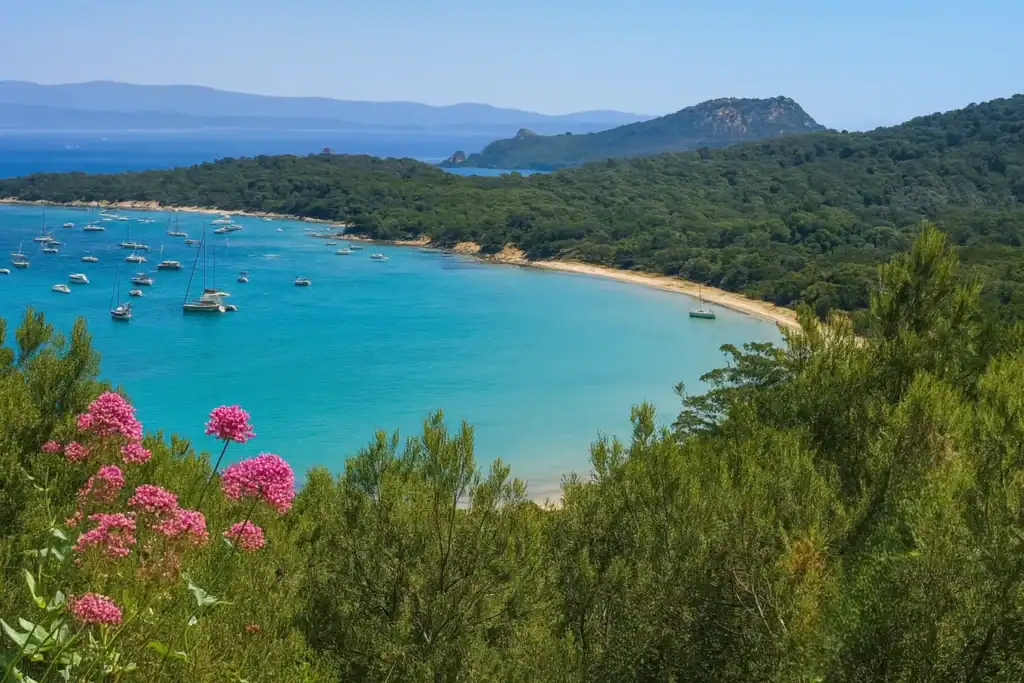
If the French Riviera had a secret garden, this would be it. Tucked just off the coast near Hyères, Île de Porquerolles feels like France pressed the pause button sometime in the 1970s and then lost the remote. You step off the ferry and into a sun-dappled dream where bicycles rule the roads, the beaches whisper rather than shout, and the vibe is more barefoot-chic than blinged-out Cannes.
Porquerolles is the largest of the three Îles d’Hyères, but it still feels wonderfully intimate. You won’t find sprawling resorts or day-tripper chaos here. Just golden sands, eucalyptus forests, and charming whitewashed houses with shutters the colour of pistachio ice cream. It’s the sort of place where you’ll spend a whole afternoon cycling down dusty trails, stumbling upon coves you’ll want to keep to yourself, and wondering why everyone else seems to be somewhere far noisier and worse.
This is one of those unknown islands in Europe that the French have wisely kept close to their chest. While tourists descend on the mainland’s hot spots, Porquerolles hums along quietly, offering the kind of slow summer magic that’s all but vanished elsewhere. The island has been protected since the 1970s, with over 80% now part of the Port-Cros National Park, which means no cars, no high-rise developments, and no chance of it turning into another overbuilt disaster.
But don’t mistake peaceful for boring. If you’re into kayaking, snorkelling, or sailing, this island is a bit of a playground. Hike to Fort Sainte Agathe for panoramic views that’ll fill your camera roll. Or just plant yourself on Plage Notre-Dame — a long arc of turquoise perfection that routinely lands on lists of Europe’s best beaches but somehow remains uncrowded. Even in high summer, it feels like a secret.
Food-wise, you’re in safe hands. Expect Provençal seafood, crisp local rosé, and bouillabaisse served in tiny bistros where the menu depends on what came in on the boats that morning. Grab a table at a terracotta-shaded terrace, order something with too much garlic, and watch the island life pass by at an unhurried trickle.
There’s no airport, no nightlife to speak of, and nothing taller than a pine tree. And that’s exactly the point. Porquerolles isn’t trying to impress you — it’s just quietly perfect, and it doesn’t care whether you noticed. But if you do? You’ll never forget it. Out of all the unknown islands in Europe, this is the one you’ll most want to keep hush-hush — even as you tell your friends they really should go.
La Graciosa, Canary Islands
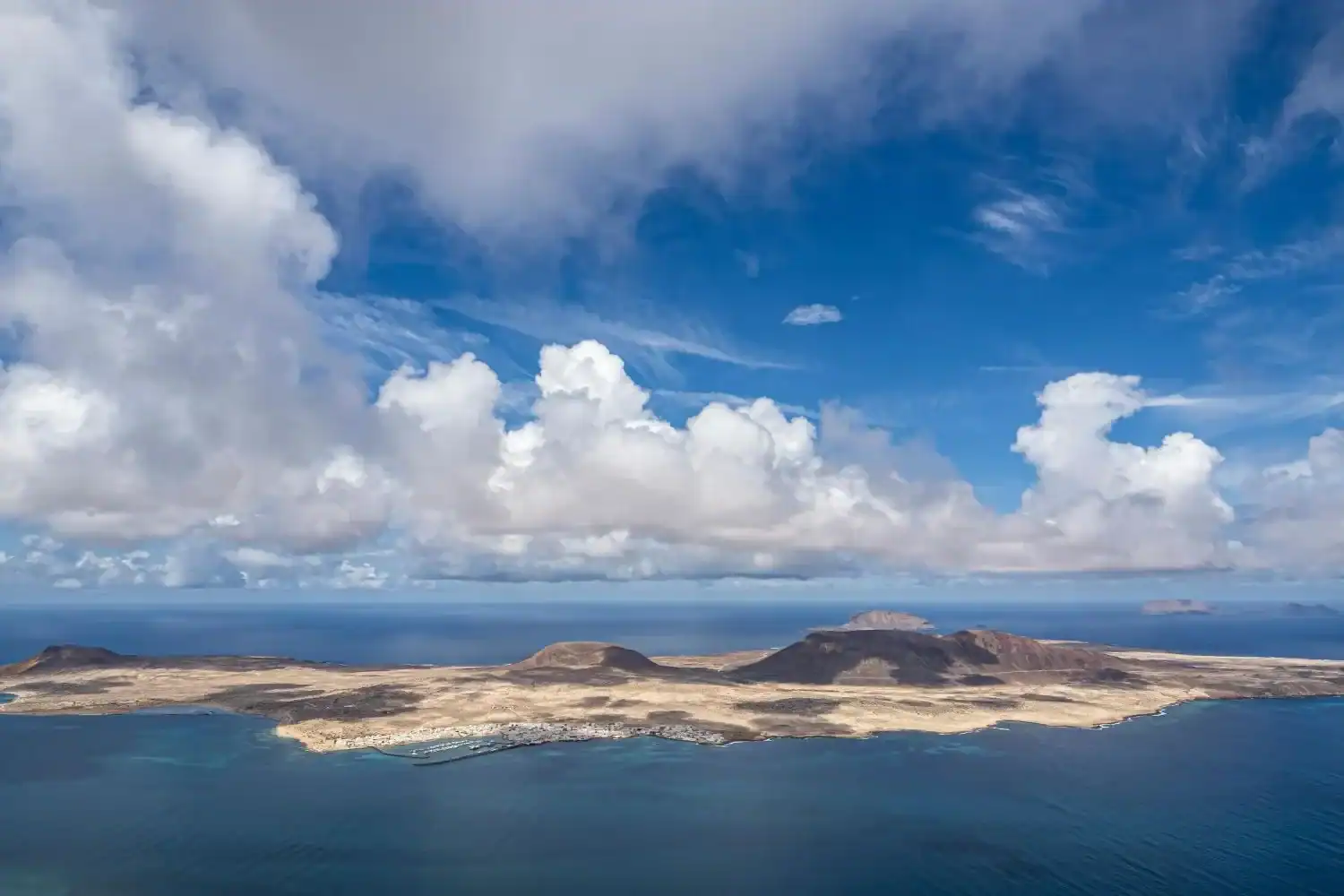
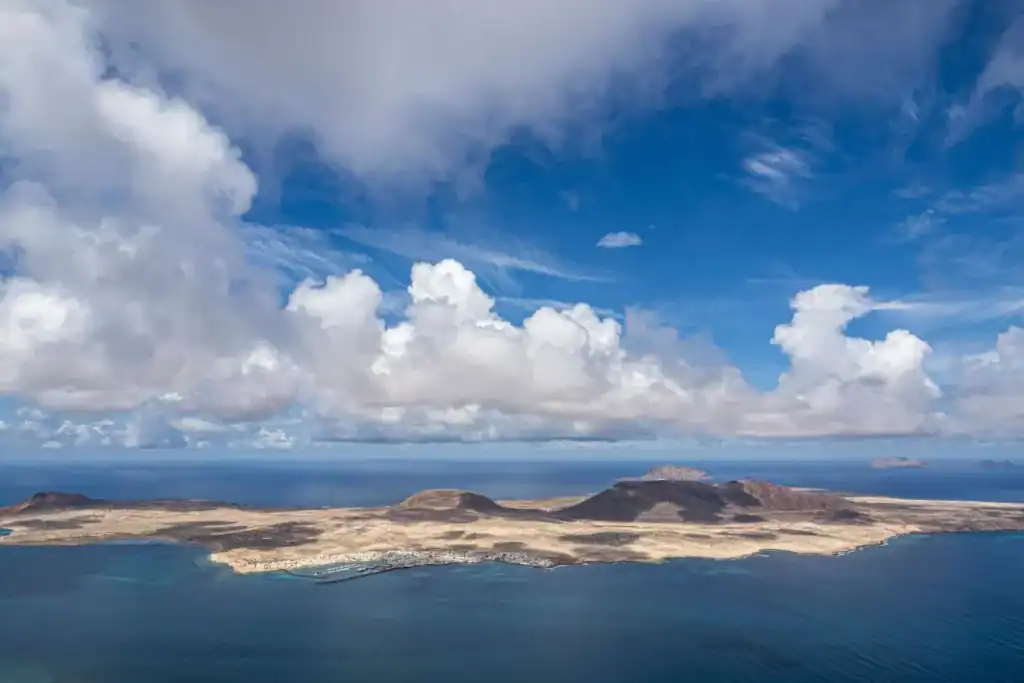
If you’ve ever looked at Lanzarote and thought, “Nice, but could do with fewer hotels and more sand dunes”, then La Graciosa is your spiritual home. Just a 30-minute ferry ride north of Lanzarote — and somehow lightyears away in mood — this volcanic gem is one of the least-known, least-developed islands in the Canaries. And thank goodness for that.
La Graciosa only officially became the eighth Canary Island in 2018, but it’s existed in a glorious time warp long before anyone in government rubber-stamped it. The roads? Unpaved. The cars? Mostly beaten-up Land Rovers used by locals. The vibe? Somewhere between desert island fantasy and bohemian sketchpad. If you’re craving simplicity — barefoot strolls, fresh seafood, and zero push notifications — this is the one.
What makes La Graciosa stand out among the unknown islands in Europe is its refusal to be tamed. There are no big resorts, no traffic lights, and not a single stretch of tarmac. The main village, Caleta de Sebo, looks like it was drawn in by a child with only two crayons: white and sand. You’ll find a cluster of low houses, a few local cafés, and a sleepy marina where the ferry quietly hums in and out.
The island itself is only about eight kilometres long and shaped vaguely like a jellyfish — all curves and weird tentacles. You can walk or cycle across it in a few hours, and along the way you’ll find raw, cinematic beaches that feel like another planet. Playa de las Conchas, in particular, is a stunner — backed by red volcanic hills and facing out toward the uninhabited Montaña Clara across a turquoise strait. Bring water, bring sunscreen, and bring your sense of wonder. You’ll need all three.
La Graciosa is not about doing. It’s about being. Being away from it all. Being hot and dusty and slightly sunburnt and absolutely loving it. It’s about watching the sun set over the sea with sand still on your shins and a cold Dorada in your hand. And then realising — with a kind of giddy panic — that you’ve just remembered what it feels like to relax.
If you’re the sort who needs clubs, water parks or endless entertainment, move along. But if you want one of those unknown islands in Europe where you can hear your thoughts — and maybe finally write that book, fall in love, or just nap like a Mediterranean lizard — La Graciosa is waiting. Quietly. Patiently. And probably barefoot.
Vis Island, Croatia
Croatia’s coastline isn’t exactly lacking in wow-factor — but if you’re after something that still feels like a secret handshake rather than a packaged tour, Vis is your island. It’s the furthest inhabited island from the mainland, and that distance has made all the difference. While Hvar gets the headlines (and the party boats), Vis has been quietly minding its own business — and doing a bloody good job of it.
For decades, Vis was off-limits to foreign visitors. It was used as a military base by Yugoslavia until the 1980s, which meant no tourists, no development, and no giant hotels sprouting like concrete weeds. And you can feel that history in the bones of the place. There’s a rawness, a ruggedness, a “we-don’t-care-if-you’re-here” kind of charm that sets it apart from the shinier, Instagrammed-to-death hotspots nearby.
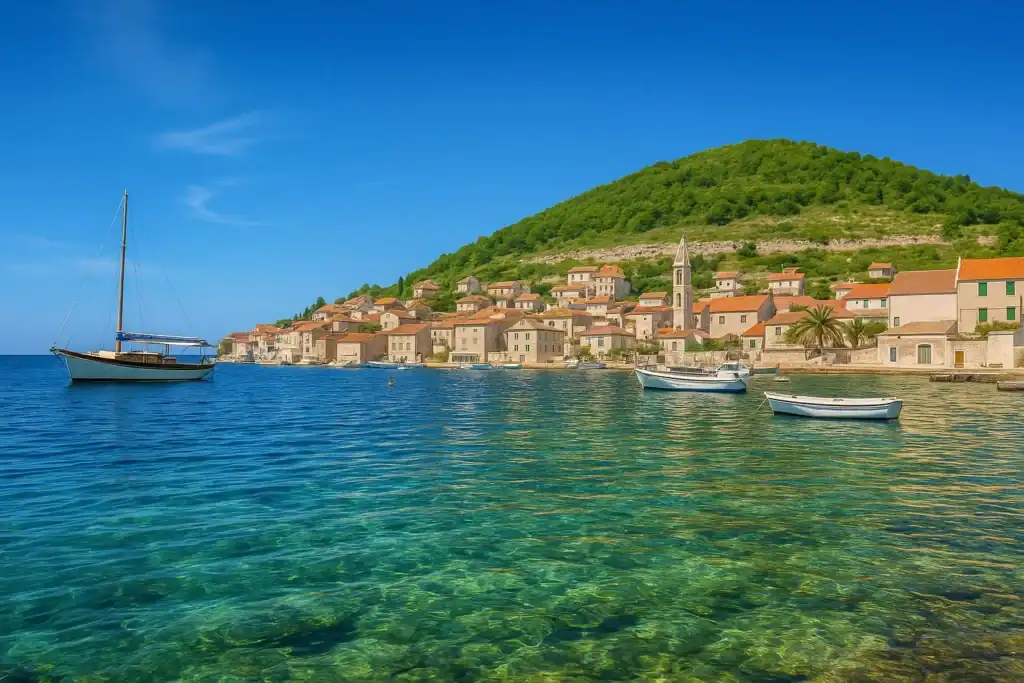
Arriving in Vis Town feels like stepping into a sepia-tinted postcard. Stone houses spill down the hills, fishing boats bob in the harbour, and old men play cards in the shade like it’s a competitive sport. The pace is Mediterranean-slow. You’ll drink your coffee properly here — none of that to-go nonsense — and you’ll walk instead of rush. Because what’s the hurry, really?
What makes Vis one of the most compelling unknown islands in Europe isn’t just its vibe — it’s the sheer variety packed into its wild, craggy coastline. Rent a scooter or hire a boat, and you’ll discover beaches with no roads, caves that glow blue from the inside, and tiny coves that make you wonder why the world isn’t beating down the door to get here.
The famous Blue Cave (Modra Špilja) on nearby Biševo Island is worth the fuss, but don’t stop there. Head to Stiniva Beach — a stunning crescent of white pebbles enclosed by cliffs so dramatic they look digitally rendered. Or find your own patch of heaven at Srebrna, a cove with silver stones, gin-clear water, and very few humans. Which, let’s be honest, is exactly the point.
Vis isn’t just about beaches, though. The food scene is quietly top-tier — think octopus peka slow-cooked under hot coals, homegrown wine that never makes it off the island, and rakija served with a wink and a warning. The locals are warm but not fawning, the sunsets are absurd, and the evenings are for lingering, not scrolling.
Vis doesn’t shout. It doesn’t trend. It just is. And in the noisy world of European travel, that’s a rare and beautiful thing. Among the unknown islands in Europe, this one whispers directly to the part of you that’s tired of queues, crowds, and curated nonsense. On Vis, you can finally exhale.
Amorgos, Greece
If Santorini is a glossy magazine spread, then Amorgos is the hand-written journal of the Greek islands — quieter, deeper, and far more interesting once you settle in. Tucked away on the far eastern edge of the Cyclades, Amorgos feels like the place people meant to visit before they got sidetracked by package deals and pool bars. It’s wild, windswept, and not trying to seduce you with infinity pools — it just is, and if you’re lucky, you’ll get it.
What makes Amorgos one of the most unforgettable unknown islands in Europe isn’t just its raw beauty — it’s the sense of drama. This is an island where jagged cliffs dive straight into the Aegean, where narrow mule paths snake past ruins and olive groves, and where the light changes everything from hour to hour. You don’t just look at Amorgos. You feel it.
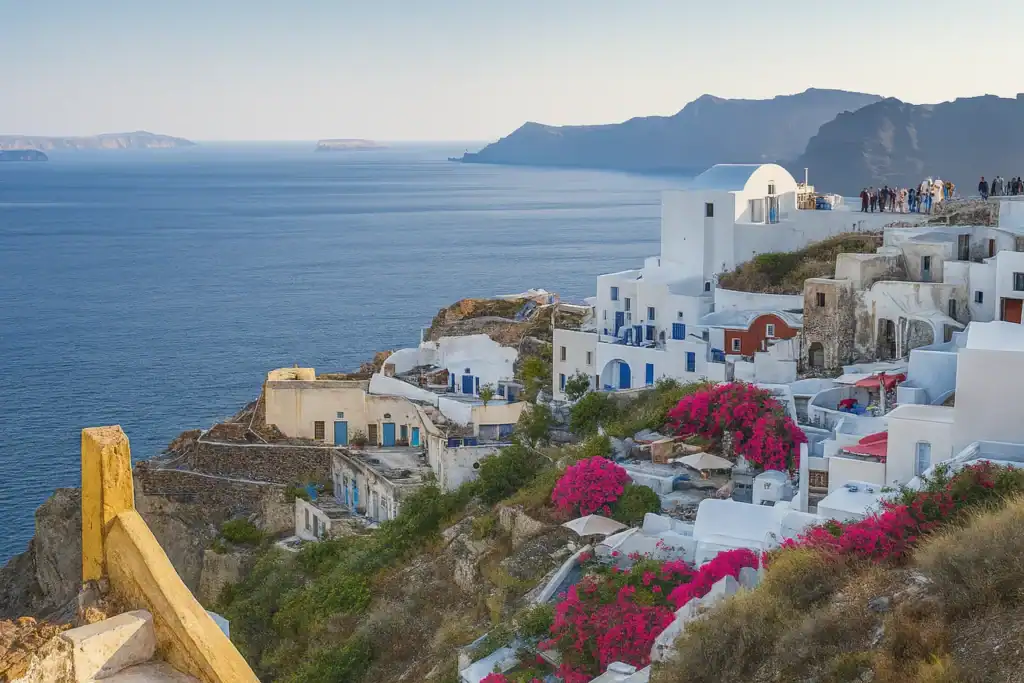
The moment that seals it for most travellers? The first time they see Hozoviotissa Monastery clinging to the cliffside like it’s hanging on for dear life. Built in the 11th century, this gleaming white marvel looks like something from a fantasy novel. You’ll climb roughly a million steps (don’t fact-check that) to reach it, but the view — and the free raki offered by the monks — makes it all worth it.
Unlike its better-known siblings, Amorgos has resisted the tourist gloss. The villages still have dusty corners and locals who sit outside their homes chatting until midnight. You’ll find traditional tavernas with no menu — just a smiling woman asking if lamb or chickpeas sounds good — and beaches where there’s not a sun lounger in sight.
The main town, Chora, is one of the most atmospheric in the Cyclades. All winding alleyways, crooked houses, and faded bougainvillea. It’s the kind of place where you’ll go out for dinner at 8pm and end up sitting in someone’s kitchen by midnight, being force-fed anise-flavoured something-or-other and trying to remember basic Greek from the back of a guidebook.
Amorgos also has one strange claim to fame: it was the star of Luc Besson’s cult 1988 film The Big Blue. The underwater scenes were filmed in its eerie blue depths, and fans of the movie still come to pay homage — though thankfully, not in droves. Which means you can still enjoy the beaches, caves, and sheer cliff-backed bays in near silence.
This is not the place for loud nightlife or souvenir hunting. It’s for hiking, stargazing, sketching, dreaming. It’s for long meals and even longer silences. Of all the unknown islands in Europe, Amorgos is the one that feels least interested in being discovered — and that, of course, is exactly why it’s worth discovering.
Inisheer, Ireland
If you think all Irish islands are windswept and miserable, Inisheer will gently smack that stereotype into the sea — while still being, yes, a little windswept. But oh, what a place. The smallest and most easterly of the Aran Islands, Inisheer (Inis Oírr in Irish) feels like a dream conjured up by folklore and sea spray. It’s got all the ruggedness you’d expect from an Atlantic outpost — but with unexpected jolts of beauty, charm, and absolute stillness.
Step off the ferry from Doolin or Rossaveal and time immediately slows to a trot. There’s a tractor trundling by. A dog snoozing in the road. A cluster of dry-stone walls that look like they were built by the gods after one too many pints. And all around you? The kind of silence that feels holy.
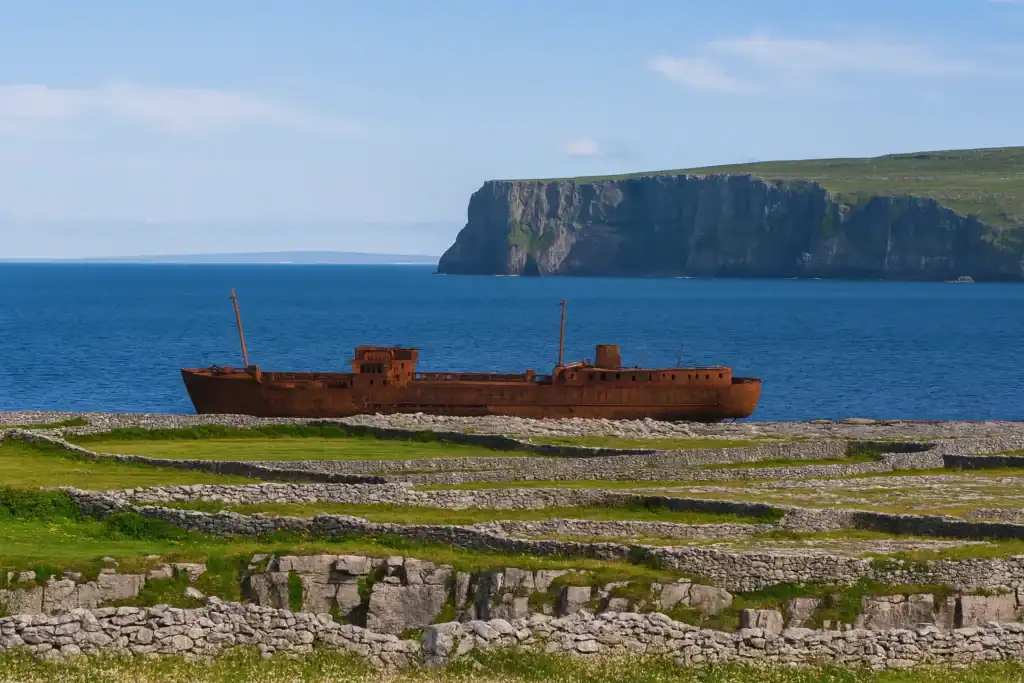
Inisheer is only three kilometres wide, so you can explore the whole island on foot or by rented bicycle — just be ready for your GPS to give up and your soul to breathe out. You’ll find ancient forts, medieval churches, and a shipwreck rusting magnificently on the shore, as if someone dropped a movie set and forgot to collect it. That’s the MV Plassy, wrecked in 1960 and immortalised in the opening credits of Father Ted. Yes — you are now officially in Craggy Island country.
The beach here is a small curve of golden sand, unusually calm for the west coast of Ireland. On a sunny day — and they do happen, I swear — it almost looks Mediterranean. Kids paddle in rock pools, seaweed dries on wooden racks, and you sit on a bench eating brown bread ice cream wondering if you accidentally time-travelled.
And while Inisheer might not be tropical, it absolutely earns its place among the great unknown islands in Europe. Why? Because it shows you something rare: a glimpse of Irish island life that isn’t curated, Instagrammable, or designed for tourists. Gaelic is spoken, the pubs don’t try too hard, and the pace of life could teach mainlanders a thing or two about priorities.
Locals might offer a nod or a yarn, but there’s no rush to entertain. That’s part of the charm. You’re not here to be dazzled — you’re here to listen to the waves, to the gulls, to the sound of your own thoughts for once.
End your day with a pint in the island’s tiny pub as fiddles warm up in the corner. The air smells of turf smoke and salt. You won’t want to leave. And when you do, the ferry will feel like a rude interruption. Because of all the unknown islands in Europe, Inisheer is the one that whispers, “You can always come back.”
🤔 DID YOU KNOW?
La Graciosa only got official status as the eighth Canary Island in 2018 — before that, it was technically “just” part of Lanzarote. But don’t expect fanfare or flashy upgrades. The island responded by doing… absolutely nothing. No roads, no hotels, no nonsense. Just sun, sand, and smug locals quietly enjoying their newly minted island status.
❓ FAQs – Everything You’re Probably Wondering
1. Are these islands easy to get to?
Most are reachable via ferry from nearby mainland towns or larger islands. You won’t need a private yacht — just a bit of planning and maybe a rental car on the mainland.
2. Can I visit them all in one trip?
Only if you’re a wizard. These islands are scattered across Europe, so it’s best to pick one or two and savour them fully.
3. Which island is best for peace and quiet?
Inisheer wins for total tranquillity. La Graciosa is a close second if you like your silence with a hint of desert vibes.
4. Is English spoken on these islands?
Yes, but with caveats. You’ll be fine in Croatia, Greece, and the Canaries. In rural France and Ireland, expect some charming language-barrier moments — they’re part of the fun.
5. Can I travel to these islands without a car?
Yes! Most of these islands are car-free or pedestrian-friendly. Bicycles, walking, and local ferries will do the trick.
6. Which is the best island for foodies?
Vis is the dark horse — octopus peka, local wine, and some of Croatia’s most under-the-radar seafood joints.
7. What’s the best time to go?
Late summer (August to mid-September) is ideal — warm weather, fewer crowds, and better ferry schedules.
8. Are these islands suitable for families?
Absolutely — though some (like Amorgos) are better for teens and older kids due to rugged terrain and fewer facilities.
9. What kind of accommodation can I expect?
Think guesthouses, family-run B&Bs, and small hotels — no mega-resorts here. Rustic charm is the theme.
10. Do I need to book ferries in advance?
In peak season? Yes. Otherwise, you can usually rock up and grab a ticket — but always check the timetables in advance. Some routes only run once or twice daily.
🔗 Useful Information
Viator – Ideal for booking local ferry rides, island excursions, and guided tours across Europe’s remote coastal gems.
Trip.com – Great for hotel deals and flight packages to mainlands like Croatia, Spain, and Greece — often includes bonus perks.
Booking.com – A reliable choice for small B&Bs, boutique hotels, and seaside stays on the quieter islands.
Trainline – Handy if you’re hopping between ferry ports by train across France, Ireland, or mainland Spain.
HolidayTaxis – Book airport-to-port transfers without faffing around with overpriced cabs.
Radical Storage – Perfect if you’ve got a late ferry or flight and need to stash your bags for a few hours near the harbour.
DiscoverCars – Reliable for picking up rental cars near ferry terminals, especially in Croatia, France, and Spain.
GetYourGuide – A good backup for booking activities like snorkelling, kayaking, and cultural walks around island towns.
Klook – Excellent for transport tickets and local tours in the Canaries and Greek islands, often with mobile-friendly passes.
Vrbo – Worth checking for entire holiday homes on islands like Vis or Amorgos — great for couples or families who want more privacy.
Expedia – Useful for bundling hotels and flights if you’re planning a multi-stop trip.
Trivago – Good for comparing multiple hotel sites to snag the best deal, especially in shoulder season.
🧭 Official Tourism Websites
croatia.hr/en– Croatia’s official tourism portal with ferry routes, events, and cultural guides.
canarias.com – The Canary Islands’ tourism site, covering La Graciosa and its surrounding gems.
ireland.com – The Irish tourism board site — packed with seasonal travel tips and transport advice for the Aran Islands.
Other Related Posts:
Nice – France Travel Guide: Explore the French Riviera’s Crown Jewel