Planning a trip to Brittany’s largest island but completely stuck on the ferry schedules? Reaching Belle-Île-en-Mer doesn’t have to be a massive, expensive headache. Here is exactly how to navigate the mainland ports, dodge traffic, and arrive there totally stress-free.
Belle-Île-en-Mer Interactive Map
Explore the island below. You can freely drag, zoom in to see specific harbor streets in Le Palais and Sauzon, or zoom out to trace the ferry routes back to the Quiberon Peninsula.
Imagine an island with dramatic, jagged cliffs that look like sleeping dragons, pastel-colored harbor towns bursting with character, and completely untouched beaches tucked away from the roaring Atlantic. That’s Belle-Île-en-Mer, Brittany’s largest and arguably most stunning offshore gem. It is an absolute paradise once your feet are firmly on its granite soil, but getting to a remote rock floating 14 km (about 8.5 miles) off the coast of western France isn’t exactly a simple Sunday stroll.
If you just rock up to the coast expecting a massive bridge or a seamless high-speed train link directly to the sand, you’re going to get a swift reality check. Planning the travel logistics for this place can make your head spin. Should you take a car on the ferry? Do you leave it on the mainland? Which port do you even sail from? Don’t sweat it. Grab a pint, pull up a chair, and let’s break down the exact blueprint for reaching Belle-Île-en-Mer in 2026 without losing your mind, your cash, or your luggage.
Stage 1: Getting to the Mainland Launchpad
Before you can even think about crossing the water, you’ve got to get yourself down to the rugged coast of Morbihan in southern Brittany. Your main gateway to the island is the Quiberon Peninsula—a remarkably narrow, sandy strip of land stretching out into the Atlantic.
If you’re flying into France from overseas, your best bet is to land at either Nantes Atlantique Airport or Rennes Airport. While you’re waiting at the luggage carousel or sitting at a terminal café sorting out your final travel route on public Wi-Fi, make sure your digital security isn’t wide open. I always make it a habit to fire up NordVPN before connecting to unverified airport or train station networks, ensuring my booking confirmations and personal data stay completely locked down from prying eyes.
From the airport, driving is by far the most flexible way to handle the mainland leg, especially if you’re hauling heavy bags, walking boots, or digital photography gear. You can secure a reliable vehicle right from the arrivals terminal through DiscoverCars to make the trek down to the coast. The drive from Nantes to Quiberon is roughly 160 km (around 100 miles) and takes just over two hours under normal conditions.
However, a word to the wise for anyone traveling in the peak summer months: the D768 is the single, solitary road leading down the narrow Quiberon Peninsula. The bottleneck traffic here is legendary. If you don’t give yourself an extra hour of buffer time, you will watch your ferry sail away without you.
If you prefer to let the French rail network do the heavy lifting, you can take a high-speed TGV train from Paris Montparnasse directly to the town of Auray. From Auray, the logistics get quite fun. If you’re traveling during the peak summer window (typically mid-June to early September), you can hop onto a charming local vintage train line called “Le Tire-Bouchon” (The Corkscrew). It happily bypasses all the gridlocked road traffic on the peninsula and drops you right at Quiberon station, a short walk from the ferry terminal. Outside of the summer season, a regional network bus seamlessly takes over the route from Auray station.
Because the ferry schedules are strict and missing the last boat means an accidental, expensive night on a harbor bench, I highly recommend arriving on the coast the evening before your crossing. It completely removes the stress. You can browse Booking.com to lock in a cozy, characterful guesthouse or hotel within walking distance of the Quiberon passenger terminal. That way, you can wake up, enjoy a proper French breakfast, and stroll right onto the morning sailing completely stress-free.
Stage 2: The Great Ferry Debate – Car vs. Foot Passenger
Now that you’ve made it to Quiberon, you face the ultimate tactical decision: do you take a car across to the island, or do you travel as a foot passenger?
Let’s talk about the car option first. Honestly? For most travelers, bringing a car onto Belle-Île is a massive, expensive headache. First off, the vehicle spaces on the car ferries are incredibly limited. If you’re traveling between June and September, you need to book your vehicle slot months in advance. Second, it will absolutely butcher your budget. Round-trip tickets for a standard family car can easily scale up to €160 or €200 (roughly $175 to $220 USD), depending on the size of your vehicle and the season. On top of that, once you land, you’ll quickly realize that the island’s charming, historic harbor towns were built for horses and carts, not modern SUVs. Parking in Le Palais or Sauzon during the summer is an absolute nightmare.
Save yourself the stress and the cash: go as a foot passenger. A return passenger ticket costs around €35 (roughly $38 USD), and there are far more daily sailings available.
The primary operator handling the year-round lifeline to the island is Compagnie Océane. Their large, sturdy multi-deck ships sail from the Gare Maritime in Quiberon and drop you directly into the bustling harbor of Le Palais, the island’s main hub. The crossing takes about 45 minutes to cover the 14 km (around 8.5 miles) stretch of water. It’s a gorgeous journey, but the Atlantic can get a bit choppy. If you’re prone to seasickness, definitely pop a travel sickness pill before boarding, and grab a seat on the open top deck for the fresh sea air.
If you decide to travel light as a foot passenger, you might run into an awkward logistical gap. If you arrive in Quiberon hours before your ferry departure, or if you return to the mainland and want to explore the peninsula before heading to the airport without dragging heavy suitcases behind you, don’t suffer in silence. You can use Radical Storage to find a secure, verified local shop or café near the terminal to drop your bags for a few hours. It lets you wander around the harbor hands-free to grab a coffee or a fresh galette completely unburdened.
Once your ferry pulls into Le Palais, you’ll be greeted by the sight of the massive, imposing Vauban Citadel looming over the water. But don’t just stand there gawking at the stone walls; you need to execute your onward transport plan. Since you left the car on the mainland, you need a nimble way to conquer the island’s 85 km (about 53 miles) of dramatic coastline.
While there are local buses, they run on highly restricted schedules. The ultimate hack for exploring Belle-Île like a pro is to rent a scooter or an e-bike. The island is practically designed for two wheels. You can bypass the local rental desk lines by using BikesBooking.com to secure an e-bike or a scooter online before you even step off the boat. It gives you the ultimate freedom to zip up narrow coastal paths, park right next to secluded beaches, and explore hidden coves where a bulky car could never dream of fitting.
Stage 3: Summer Hacks, Alternative Ports, and Dealing with Travel Chaos
While Quiberon is the undisputed heavyweight champion of Belle-Île ferry routes, it’s not the only game in town—especially if you’re traveling during the peak summer sun. If you are already basing yourself around the stunning Gulf of Morbihan, dragging yourself all the way down the Quiberon Peninsula is a rookie mistake.
From April through to September, clever seasonal passenger ferries run directly from alternative mainland ports like Vannes, Port Navalo, and Locmariaquer. Taking a boat from Vannes is an absolute joy. Instead of staring at the brake lights of a thousand cars on the peninsula road, you get a gorgeous, lazy 1-hour and 45-minute cruise covering roughly 40 km (around 25 miles) through one of the most beautiful bays in the world. You can check out the official Morbihan Tourism Board site to cross-reference seasonal schedules and local events happening around these secondary harbors before you lock in your itinerary.
Now, let’s talk about the giant elephant in the room: logistical screw-ups. Because reaching a remote island requires a tightly timed sequence of flights, trains, and ferries, a single delay can completely shatter your plans. If your flight into Nantes or Paris gets delayed by a couple of hours, you’ll miss your train connection in Auray, blow past your ferry departure time, and find yourself stuck on the mainland while your non-refundable island hotel room stays empty.
If the aviation gods let you down, don’t just sit on your suitcase steaming with rage. You have legal rights, and you can use a consumer champion like AirHelp to check if your disrupted flight qualifies for cash compensation under EU and UK passenger protection laws. They handle all the stressful legal heavy lifting on a “no win, no fee” basis, which can quickly recoup enough cash to pay for an emergency hotel stay on the mainland or a private water taxi.
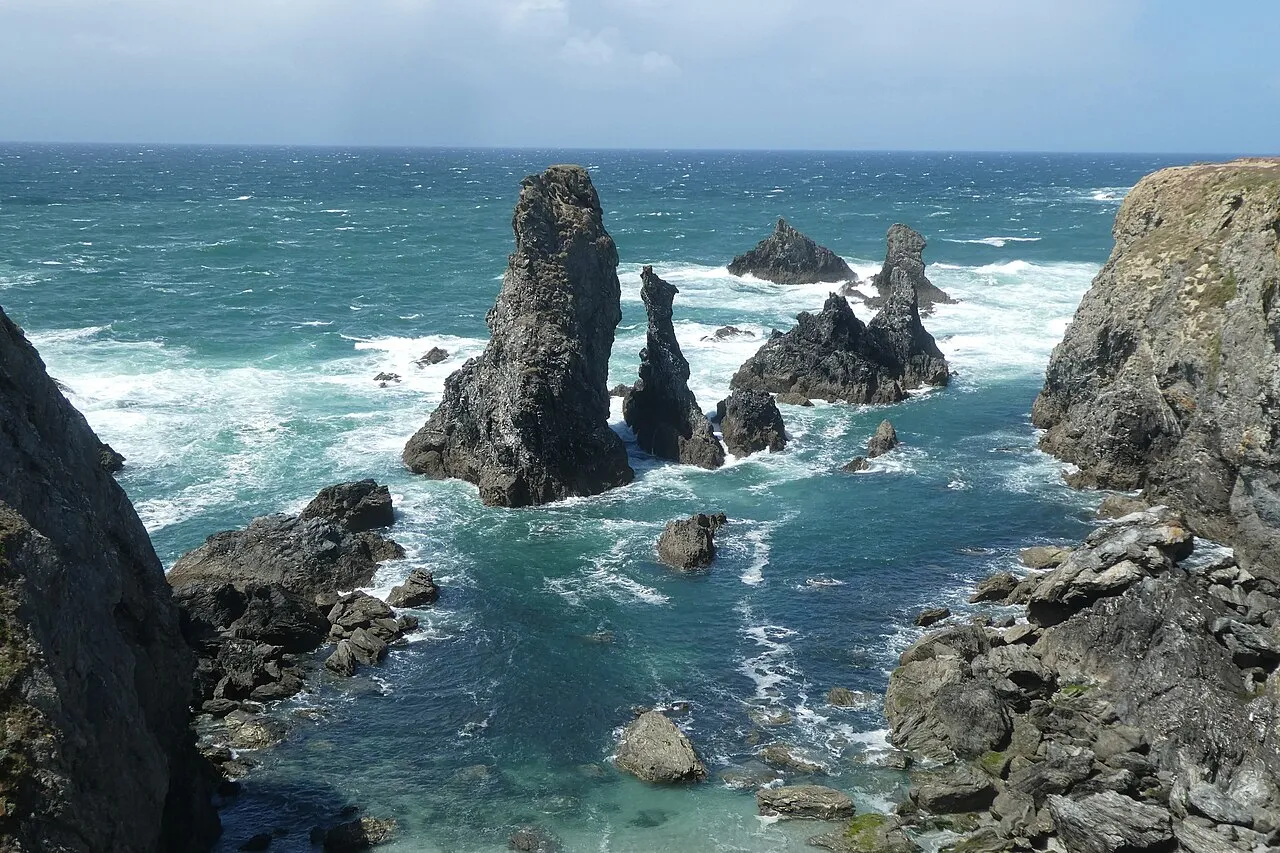
Once you actually step off the ferry and successfully arrive on Belle-Île, you need to decide what to do with your hard-won paradise. The island isn’t just a place to sit on the beach; it’s packed with wild history and jaw-dropping landscapes. You can head over to the rugged western coast to see the famous Aiguilles de Port Coton (The Cotton Port Needles)—the spectacular, jagged rock stacks that the impressionist painter Claude Monet spent months immortalizing on canvas.
If you want to dive deeper into the island’s secrets without getting lost, it’s worth organizing a local experience. You can browse through GetYourGuide to book guided coastal hikes, historic tours of the massive Vauban Citadel, or sea kayaking adventures around the island’s hidden sea caves. Having a local expert guide you ensures you won’t miss the best vantage points when the summer afternoon temperatures hit a warm 26°C (about 79°F) and the sea breeze kicks in.
Stage 4: Settling In – Logistical Bases and Island Mobility
Right, so you’ve successfully dragged your bags off the ferry and you’re standing on the quayside in Le Palais. Now what? Your next logical hurdle is figuring out where to actually pitch your tent—or, more realistically, check into your hotel—and how to get your gear there without a car.
The island is deceptively large, and choosing the wrong base camp can completely wreck your daily logistics. If you didn’t rent an e-bike at the pier, you’ll be relying on the official island bus network, known locally as Taol Mor. It’s a decent enough service that links the four main villages, but outside of the absolute peak summer madness, the timetables can be pretty sparse. A single ticket will cost you around €2.50 (roughly $2.75 USD), so it’s cheap, but you have to plan your day around it with military precision. You can check the live route maps and seasonal schedules directly on the Belle-Île-en-Mer Official Tourism Bus Guide before you head out so you don’t get stranded on the opposite side of the island after sundown.
If you want the easiest possible logistics, stay right there in Le Palais. It’s the beating heart of the island, packed with brilliant seafood bistros, markets, and pubs. Plus, you won’t have to carry your luggage very far from the ferry. However, if you want that quintessential, postcard-perfect Brittany vibe, you’ll want to head over to Sauzon in the northwest. Sauzon is a breathtaking fishing village with pastel-pink and yellow houses reflecting off a sheltered harbor. It is a scenic 6 km (around 3.7 miles) trek from Le Palais. If you’re looking for a killer deal on a seaside hotel or a local bed-and-breakfast in either town, it pays to shop around. While everyone defaults to the same major platforms, I always recommend checking Agoda to compare rates, as they frequently drop hidden, budget-friendly discounts on European island properties that others completely miss.
No matter where you drop your bags, you’re likely here to experience the wild, untamed nature of Belle-Île. The legendary GR340 trail completely circles the island’s perimeter, offering a rugged 85 km (about 53 miles) trekking loop along dizzying cliff edges. It is breathtaking, but let’s be entirely real for a second: steep coastal paths, loose granite gravel, and zipping around on rented e-bikes can easily lead to a classic travel disaster.
A twisted ankle on a remote cliffside or a tumble on a sharp bend will put a swift end to your holiday fun. Do not do something daft and skip out on basic safety preparation. Before you set foot on the ferry, make sure you have comprehensive medical coverage sorted. I highly recommend locking in a solid policy with EKTA, which provides straightforward, reliable worldwide travel insurance that specifically covers active recreation like hiking and cycling. It costs less than a round of drinks, gives you instant digital proof on your phone, and ensures that if you do take a spill, the medical logistics are completely handled without bankrupting you.
Stage 5: The Departure Checklist and Final Survival Tips
When your time on this stunning island comes to an end, navigating the return logistics smoothly is just as critical as your arrival. The golden rule of departing Belle-Île-en-Mer is simple: never leave your return ferry booking to the absolute last minute.
During the peak summer weekends, thousands of travelers try to head back to the mainland at the exact same time. If you haven’t secured your return ticket in advance with Compagnie Océane, you might find yourself stranded in Le Palais for an extra night. Always aim to arrive at the harbor at least 30 minutes before your scheduled departure. This gives you plenty of time to return your rented e-bike, pick up any luggage you might have stored, and grab a final box of local Breton butter biscuits to enjoy on the top deck during the 45-minute crossing back to Quiberon.
If you’re traveling with a larger group or planning a longer, multi-generation family holiday where you want to properly immerse yourself in the island lifestyle for a week or two, standard hotel rooms just won’t cut it logistically. Instead of squeezing everyone into cramped quarters, you can jump onto Vrbo to lock down a traditional Breton stone cottage or a modern villa complete with a private kitchen, sprawling garden, and plenty of space to store your coastal hiking gear. It lets you live like a local, shop at the daily fish markets, and cook up an absolute feast after a long day of exploring.
Before you make your final exit, don’t miss the chance to explore the interior spaces of the historic Citadel. While wandering the outside walls is completely free, getting inside the museum and the deeper historical underground powder magazines requires an entry ticket that will set you back about €10 (roughly $11 USD) per person. To avoid standing around in the midday heat, you can secure digital tickets on your smartphone ahead of time through Tiqets, letting you breeze past the ticket office queue and walk straight into the history of this remarkable fortress.
Your Ultimate Belle-Île Logistics Cheat Sheet
To make sure your trip goes off without a single hitch, keep this quick, no-nonsense checklist handy:
- •
Secure the Mainland Base: Book a hotel in Quiberon via Booking.com for the night before your crossing to remove all morning travel anxiety. - •
Ditch the Car: Save up to €200 (roughly $220 USD) by traveling as a foot passenger and leaving the vehicle behind. - •
Lock in Two Wheels: Use BikesBooking.com to reserve an e-bike before landing so you can conquer the island’s hills with ease. - •
Protect Your Trip: Ensure you have an active policy with EKTA to cover any accidental tumbles on the rugged cliffside trails.
Reaching Belle-Île-en-Mer requires a little bit of extra logistical puzzle-solving, but that is exactly what keeps it so beautifully wild and untouched. Plan ahead, pack light, and get ready for an unforgettable island escape.
🇫🇷 More Expert France Travel & Logistics Guides
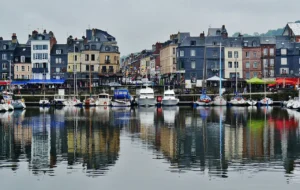
- When you are ready to head back to the mainland to explore an iconic, picture-perfect historic port town, explore our curated tips for securing the best boutique stays in Honfleur.
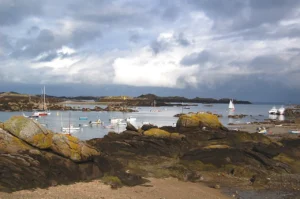
- If you find yourself hooked on remote, unspoiled island hopping, you’ll definitely want to scope out the incredible beaches and unique Chausey Islands boat tour logistics.