Dreaming of escaping to the untamed, sun-drenched edges of the remote Greek Dodecanese? Skipping the tourist crowds is absolute bliss, but navigating erratic ferry schedules requires a serious logistical game plan to avoid getting stranded. Here is your ultimate blueprint.
In This Logistical Guide:
🗺️ Interactive Route Map: The Dodecanese Transit Grid
Use this fully interactive map to plot your island-hopping route, pinpoint the entry airports at your primary gateway hubs of Rhodes and Kos, and map out the distances to remote gems like Lipsi, Patmos, and Agathonisi. You can zoom in to find the specific harbor docks and pan across the archipelago to visualize your sea legs before you step on the ferry.
Let’s be completely honest for a minute: booking a trip to the remote Greek islands sounds like an absolute dream until you find yourself stranded on a sun-baked concrete pier at 2:00 PM, desperately wondering if the weekly boat is actually coming or if the captain just decided to call it a day. The far-flung edges of the Dodecanese archipelago—hidden gems like Lipsi, Agathonisi, Kasos, and Tilos—are sublime, completely untouched by mass tourism, and offer a slice of authentic Greece that you just can’t find in Santorini. But getting to them? That requires a bit of logistical gymnastics and a solid game plan. If you treat planning this trip like a casual weekend getaway to the countryside, the Aegean Sea will happily chew up your itinerary and spit it out.
Quick heads-up: Some of the links in this post are affiliate links. This means if you book a tour or secure a room through them, I earn a small commission at zero absolute extra cost to you. I only suggest things I genuinely trust, and your support keeps this site running![cite: 1]
1. Staging Grounds & Ferry Roulette
The first major rookie mistake is trying to chart a direct path from your home airport straight to a tiny volcanic rock in the middle of the sea. It simply isn’t happening. To unlock these remote islands, you need a solid staging ground. Your best strategy is to fly directly into one of the two main transit hubs of the Dodecanese: Rhodes or Kos. Both have major international airports and massive ports that act as the lifelines for the smaller surrounding islands. I highly recommend booking a night or two at a basecamp hotel via Booking.com right near the harbor when you land. Trying to clear customs and immediately sprint onto a departing ferry on the same day is a high-stress gamble you will likely lose, especially if your flight faces even a minor delay.
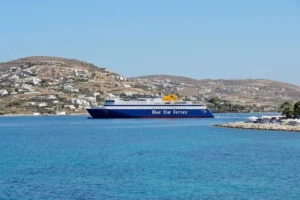
Once you are on the ground at your gateway hub, you have to wrap your head around “Ferry Roulette.” In this part of the world, your entire universe is governed by two completely different types of vessels, and picking the wrong one can completely wreck your stomach—or your schedule. First, you have the massive, slow-moving car ferries operated by companies like Blue Star Ferries. These behemoths are absolute tanks. They might move at a leisurely pace, but they roll right through rough waters and are rarely canceled unless the weather turns genuinely apocalyptic. A typical deck ticket between major nodes might set you back €30 (roughly $32 USD) per person, making it an incredibly budget-friendly way to cruise.
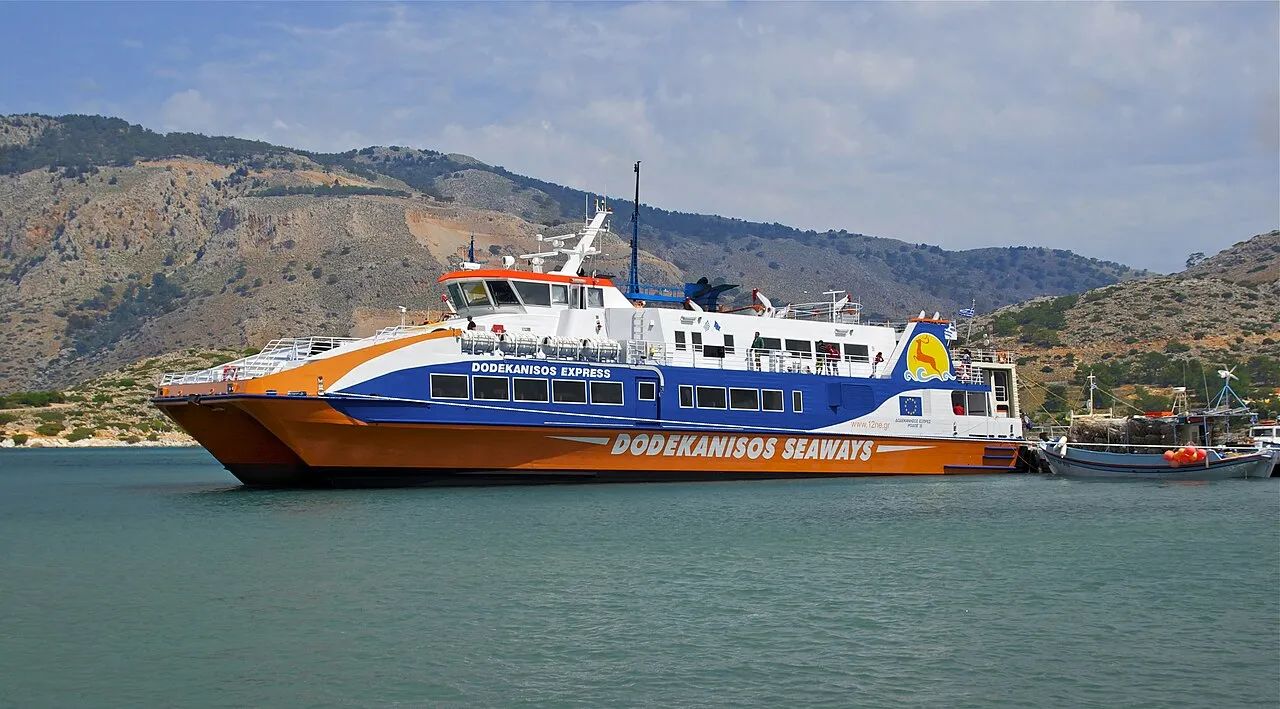
On the flip side, you have the sleek, high-speed hydrofoils and catamarans, such as the regional fleet run by Dodekanisos Seaways. These fast boats cut your travel time clean in half, flying across a distance of 60km (around 37 miles) in a flash. They are fantastic for maximizing your island time, but they have a massive Achilles’ heel: the Aegean weather.
⚠️ Critical Weather Warning
When the notorious Meltemi winds kick up during the peak summer months, temperatures might hover around a beautiful 30°C (86°F), but the sea turns into a washing machine. Those high-speed catamarans will easily get pinned to the docks by the port authorities for safety reasons when winds exceed 35 knots (about 40 mph). If you have built a tight, rigid schedule without any buffer days, a sudden two-day wind delay means you are missing your flight home. This is exactly why safeguarding your trip with an independent policy from VisitorsCoverage is a non-negotiable rule for remote island hopping; it keeps you covered when the local transit grid decides to take an unannounced summer holiday.
2. Island Transport & Digital Connectivity
Now that you’ve picked your staging ground and sorted your ferry strategy, let’s talk about what actually happens when you drop anchor on a remote island like Lipsi or Tilos. The very first thing that hits you is the absolute peace—followed immediately by the realization that public transport is practically non-existent. If you’re expecting a fleet of air-conditioned buses waiting to whisk you away to a pristine beach, you’re in for a very long, dusty walk. Most of these tiny islands have exactly one municipal bus that runs on a schedule best described as a “casual suggestion.”
This is where your local transport strategy becomes make-or-break. Forget about renting a massive SUV or a bulky family sedan here. The streets in the ancient Chora (the main hilltop villages) were built centuries ago for donkeys, not hire cars. They are incredibly narrow, steep, and often end in a flight of whitewashed stone stairs. Instead, your absolute best bet for freedom is a nimble scooter or an e-bike. You can easily sort a reliable set of wheels through BikesBooking.com before you even arrive. Snagging a dependable 125cc scooter for around €25 a day (roughly $27 USD) means you can effortlessly buzz up a steep 8km ridge (about 5 miles) to a completely secluded cove without breaking a sweat or getting wedged between two ancient stone walls.
📡 The Border-Zone Data Trap
Another massive logistical hurdle that catches independent travelers completely off guard is mobile data coverage. When you are sitting in a seaside taverna on the remote edge of Agathonisi, tucked away just a few miles from the Turkish coast, your phone is going to do some weird things. It will either drop down to a useless single bar of data, or worse, it will automatically latch onto a mainland Turkish network, leaving you with a horrific surprise roaming bill when you get home. Do yourself a favor and get ahead of this by installing a digital travel profile from Airalo before you leave the major hubs. Having a dedicated Greek eSIM ensures you stay firmly connected to local networks, giving you instant access to digital maps and live port updates when you’re out exploring the wilder corners of the archipelago.
Don’t assume these remote spots are completely cut off from modern resources, though. The local communities have done a brilliant job preserving their heritage while making things accessible for modern adventurers. If you want to research the distinct cultural quirks, history, and official safety guidelines for each specific island before you step foot on them, the official Visit Greece tourism board site is an absolute goldmine of accurate, state-verified info.
When it comes to securing your actual accommodation on these smaller islands, don’t leave it to the last minute. Because islands like Kasos or Halki only have a handful of family-run guesthouses, the best spots fill up months in advance with returning regulars. You won’t find massive chain resorts here—which is exactly why we love it—so locking in your rooms early is essential to avoid being left out in the cold. Once your basecamp is secured, the next big puzzle to solve is figuring out how to manage your cash and food logistics when the nearest actual bank is a two-hour boat ride away.
3. Cash Realities & Authentic Aegean Stays
Let’s tackle a massive reality check that too many travelers learn the hard way: cash is still absolute king on the outer edges of the Aegean. If you think you can wander into a tiny family-run taverna on a remote beach in Agathonisi, order a massive plate of fresh octopus and local wine, and just wave your flashy contactless smartphone at the owner, you’re going to be doing the dishes. While major towns take plastic, the remote islands frequently face internet dropouts, meaning card machines go offline for hours at a time. Always keep a solid wad of physical cash on you. A baseline of €50 to €100 (roughly $54 to $108 USD) in small notes will save you from some seriously awkward encounters.
🏧 The Single-ATM Dilemma
Getting your hands on that cash can be an adventure in itself. Most of these tiny islands have exactly one ATM. If that single machine runs out of money over a busy holiday weekend—or the island’s satellite connection goes down—you are completely out of luck until a technician arrives on the next weekly ferry. Before you set sail from Kos or Rhodes, use the official Piraeus Bank ATM Locator to map out your cash stops, and load up on physical Euros before you go remote.
When it comes to finding a place to lay your head, these islands demand a completely different approach to accommodation. You won’t find towering concrete hotels here. Instead, you’ll be looking at beautifully restored traditional stone windmills, whitewashed captain’s houses, and cliffside apartments. For group trips or longer stays where you want a full kitchen to cook up fresh fish from the harbor, checking out traditional villas on Vrbo is your best bet. Having your own private terrace means you can sit out under a canopy of stars with a cold beer, completely away from the noise, watching the local fishing boats bob in the harbor down below.
If you’ve been following along with my backend content strategy, you know I always emphasize digging up the hidden, actionable local details rather than just repeating generic guidebook fluff. And the real truth about remote island dining is that standard opening hours mean absolutely nothing. A taverna might close at 3:00 PM because the owner’s uncle needs an afternoon nap, or it might stay open until 2:00 AM because a local musician showed up with a bouzouki. Don’t fight the rhythm—just roll with it.
When you want to dive deeper into the local history or arrange a small-boat excursion to uninhabited islet beaches like Arki or Marathi, don’t just rely on whoever happens to be standing on the pier. You can browse and pre-book verified local boat tours and historical guides across the wider region using GetYourGuide. This gives you a secure way to lock in a spot on an authentic wooden caique boat without worrying about language barriers or getting hit with an unexpected “tourist tax” on the day. Once you’ve got your cash, your villa, and your day trips sorted, the final piece of the puzzle is mastering the art of packing for a trip where heavy luggage is your worst enemy.
4. Port Realities & Handling Travel Delays
Let’s talk about the absolute physical reality of moving between these islands, because this is where the romantic dream of “easy island-hopping” collides violently with reality. If you roll up to the port with a monster 25kg hard-shell suitcase (around 55 lbs) and expect a friendly porter or a smooth escalator to guide you onto the ship, you are in for a brutal awakening. When a massive car ferry drops its ramp onto the concrete pier, it’s a scene of organized madness. Huge semi-trucks are reversing at speed, scooters are buzzing past your ears, and hundreds of travelers are charging off the boat all at once.
You have to haul your own gear up a steep, vibrating steel ramp and drop it into the cavernous vehicle deck before climbing several flights of stairs to the passenger lounges. If you are forced to navigate a blistering 1km walk (about 0.6 miles) from the ferry dock to the nearest local bus stop under the blazing mid-day sun, every single extra pound in your bag will make you question your life choices. The ultimate rule here is simple: pack light, use a sturdy backpack or a compact rolling bag with heavy-duty wheels, and leave the massive wardrobe at home.
Another logistical headache that catches independent travelers off guard is the “layover limbo.” Say you’ve taken a morning ferry from a tiny spot like Agathonisi back to Rhodes, but your international flight home doesn’t depart until late that evening. What do you do with your bags all day? You definitely don’t want to drag them over the bone-rattling cobblestones of the medieval Old Town while trying to enjoy one last gyro.
Instead of turning your final day into a grueling weight-lifting session, locate a vetted local shop or cafe using Radical Storage. For a flat fee of around €5 per day (roughly $5.40 USD), you can safely lock your bags away in a secure, insured location. This frees you up to wander the historic alleyways completely hands-free, grab a cold frappe, and soak in the atmosphere without looking like a severely struggling pack mule.
⚖️ Flight Disruption Protections
Of course, even the most meticulously planned itineraries can face an absolute meltdown when flights and transit grids get messy. It’s the unfortunate tax of peak summer travel: a sudden European air traffic strike or a technical glitch at a major hub can leave you stranded at the gate for hours on end, watching your tightly timed ferry connection sail away without you. If an airline leaves you hanging at the terminal, don’t just sit on the floor stewing in your own anger.
Because Greece is part of the EU, you are heavily protected by strict consumer regulations. You can pull up the official European Union Passenger Rights portal to see exactly what the airlines legally owe you in terms of meals, accommodation, and alternative routing. To bypass the endless corporate red tape and actually claw back the money you’re rightfully owed, it’s incredibly smart to let a specialized team like AirHelp handle the heavy lifting for you. They will fight the airline on a “no win, no fee” basis to secure cash compensation for your delayed or canceled flights. While a bank transfer won’t instantly restore a missed day of island paradise, getting several hundred Euros back in your pocket goes a long way in softening the blow.
As we look at wrapping up this comprehensive logistical breakdown, our final section needs to focus on building a bulletproof, realistic itinerary template. You need a blueprint that connects these remote dots without driving you completely insane.
5. The Bulletproof Sandbox Itinerary Template
To wrap this whole masterclass up, let’s build out your ultimate, bulletproof itinerary template. The trick to surviving a remote Dodecanese journey without losing your mind is the “Sandbox Schedule” method. Never map out an itinerary that requires you to change islands every single day. Instead, pick a cluster of three islands that are connected by a single, direct ferry line and spend at least three to four nights on each.
A classic, zero-friction route for independent travelers starts by flying into Kos. Spend your first night exploring the ancient castle, then jump on a morning catamaran up to Lipsi for a few days of quiet beaches and local wine. From Lipsi, you can catch a quick 45-minute ferry up to Patmos to explore the stunning medieval monastery before taking a larger overnight vessel back to your main hub. If you want to explore the rugged interior of the main gateway hubs before or after your island-hopping loop, snapping up a vehicle from DiscoverCars right at the airport is an absolute game-changer. Having your own car lets you escape the crowded airport terminal, stash your heavy gear safely, and hit the mountain roads at your own pace.
⚓ The Mandatory 48-Hour Buffer Rule
When you’re booking the final legs of your adventure, make sure to give yourself a massive safety cushion. Always build in a mandatory 48-hour “buffer zone” at your main gateway hub (Rhodes or Kos) at the very end of your trip before your international flight home. If you are sitting on a remote island like Agathonisi and the Meltemi winds suddenly pick up to a howling 40 knots (about 46 mph), pinning all regional vessels to the docks, you won’t have to panic about missing your flight. You’ll simply spend those extra days relaxing by a pool or exploring an ancient acropolis, knowing your travel timeline has plenty of room to breathe.
Go ahead and lock in those final night stays at a beachside resort through Booking.com so you can wrap up your Greek adventure in total comfort, completely stress-free. Navigating the remote edges of the Aegean requires a bit of patience, some serious logistical respect, and a willingness to ditch the rigid corporate schedule for a slower, more authentic pace of life. But the second you step off that ferry ramp onto a quiet pier where life hasn’t changed in half a century, you’ll realize every single ounce of planning was worth it.
🏝️ More Greek Island Logistics & Guides
- Planning to island-hop through the Cyclades? Make sure to check out my insider guide on the logistics of reaching the hidden beaches of Milos before you map out your ferry routes.
- If you want to escape the massive cruise ship crowds, read my breakdown on why you shouldn’t stay in central Santorini if you are a quiet-seeker looking for a peaceful getaway.