Discover why staying in central Sintra, Portugal, could completely ruin your trip. Learn how to dodge overwhelming daytime tourist crowds, avoid expensive accommodation traps, and choose smart, scenic alternative locations nearby for a much more relaxing and authentic experience.
Inside This Guide
Location Map: Central Sintra Gridlock Zone
Use the controls below to pinch, zoom, or pan around the narrow historical center to see the tight bottleneck layout we talk about in this guide.
The Central Sintra Myth vs. The Reality
Let’s be completely honest for a second. If you’ve been scrolling through social media or flipping through traditional travel brochures, you’ve probably been fed the same classic dream: waking up in a quaint little guest house right in the historic center of Sintra, stepping out onto a cobbled lane, and casually strolling up to a fairytale castle. It sounds brilliant on paper. But if you actually try to execute that dream, you’re in for a massive wake-up call that involves a lot of gridlocked traffic, astronomical parking fines, and massive crowds blocking your view of everything.
Quick heads-up: Some of the links in this post are affiliate links. This means if you book a tour or secure a room through them, I earn a small commission at zero absolute extra cost to you. I only suggest things I genuinely trust, and your support keeps this site running!
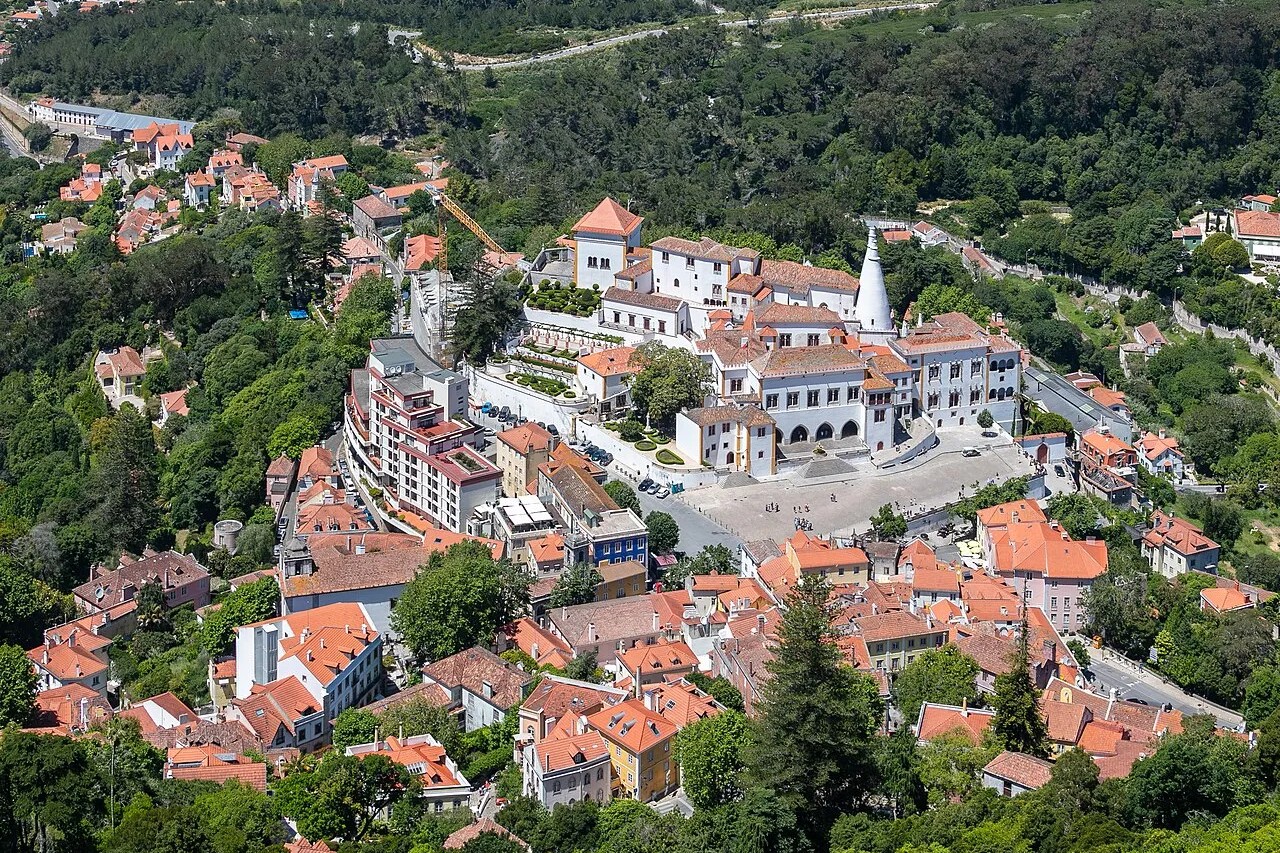
The reality of central Sintra—especially nowadays—is that it simply wasn’t built for the sheer volume of travelers it attracts. The historic core is a tight, labyrinthine network of narrow, ancient roads designed long before cars existed. Because of this, local authorities have strictly restricted traffic. If you try to drive your rental car into the center, you’ll immediately hit a wall of “Residents Only” signs, confusing one-way loops, and incredibly aggressive local tuk-tuk drivers who know the roads like the back of their hand and won’t hesitate to squeeze you out.
If you do manage to find a spot to park near the center, you’ll likely pay an absolute fortune for the privilege, or worse, return to find a hefty fine pinned to your windshield because you unknowingly parked in a restricted zone. And let’s talk about the evenings. Once the day-trippers head back to Lisbon on the train, the town center doesn’t turn into a magical, lively hub; it actually shuts down remarkably early. You’re left with a handful of highly overpriced restaurants serving mediocre tourist menus, rather than the authentic, laid-back Portuguese dining experience you’re probably looking for.
By choosing to set up camp in the quiet outskirts instead, you completely flip the script. You get to enjoy the crisp, pine-scented air of the Sintra-Cascais Natural Park without the roar of tour buses idling outside your window. You can easily find accommodations with free, private parking, allowing you to use your vehicle as a launchpad for coastal drives, hidden palaces, and authentic local tascas where the house wine costs less than an espresso in the town square.
Staying on the outskirts turns Sintra from a stressful, chaotic box-ticking exercise into what it was always meant to be: a magical, relaxing escape into nature. But to fully understand why the center is such a headache, we need to take a hard look at the nightmare that is local transport and navigation—which is exactly what we’ll dive into next using a trusted car rental provider like Discover Cars to lock in a solid set of wheels before arriving, or choosing rural boutique estates on Booking.com to escape the crowds. You can also cross-reference routes directly via the official Parques de Sintra portal and check train connection times over at Comboios de Portugal.
The Logistical Nightmare of Central Sintra Navigation
If you’ve ever tried to navigate a historic European town center with a GPS that keeps losing its mind, you’ll have a faint idea of what driving in central Sintra is like. But Sintra takes it to a whole new level. To protect the environment and keep the narrow historic streets from collapsing under the weight of thousands of rental cars, the local council has put strict traffic restrictions in place. Large zones are completely closed off to non-resident vehicles. This means your navigation app might tell you to turn down a specific street to reach your hotel, but when you get there, you’ll find a solid bollard, a camera enforcement system, or a policeman waving you away.
Trying to loop back around usually means getting sucked into a one-way mountain loop that forces you miles out of your way, wasting precious vacation time. And if you make a mistake and accidentally drive past one of those enforcement cameras, you can expect a very unwelcome souvenir from the Portuguese authorities to pop up on your credit card statement months after you get home. You can keep an eye on the exact local restriction borders directly on the official Sintra Municipality Portal before you head out.
Then there’s the public transit situation within the center. To get from the train station up to the big hitters like Pena Palace or the Moorish Castle, most tourists pile onto the official local buses. During peak hours, the queues for these buses look less like a relaxed holiday transit and more like a theme park ride line on a bank holiday. You’re packed in like sardines, sweating through the winding mountain switchbacks, and praying you don’t lose your lunch. You can check the daunting schedules for yourself over at the official Scotturb Bus Network site.
Staying out in the outskirts completely saves you from this chaos. When you base yourself in areas like Colares, Galamares, or near the rugged coastline, you avoid the congested bottle-neck of the town center entirely. You can wake up, enjoy a quiet breakfast, hop into your car, and use the outer ring roads to approach the monuments from the back ways or head straight to the beaches. It pays to have a rugged, comfortable ride sorted from a reliable engine like Discover Cars to conquer those steep, rural mountain passes with absolute confidence.
Many seasoned drivers choose to leave their cars parked safely at their countryside estates and use cheap local rideshare apps or hop on the historic Sintra tram if they want a vintage trip down to Praia das Maçãs. It turns a stressful, sweaty commute into a scenic journey. Plus, choosing the outskirts opens up a world of accommodation options that you simply cannot find in the cramped historic center—which is exactly what we are going to explore next.
The Secret World of Outskirt Accommodations
When you stop looking at the tiny, crowded map of central Sintra, an entirely different world of accommodation opens up. In the center, you’re looking at cramped rooms in converted historic townhouses where you can hear every footstep from the room above you, and your window probably opens up to the loud chatter of walking tours passing by. On the outskirts, however, you get access to the true architectural soul of the region: the Quintas. These are historic Portuguese country estates and manor houses, many of which have been beautifully restored into boutique guesthouses, eco-retreats, and wellness lodges.
Imagine waking up to the sound of wind rustling through towering eucalyptus and pine trees rather than the screech of a delivery truck reversing down a narrow alley. Many of these rural estates offer massive, lush gardens, sparkling swimming pools to cool off in after a long day of exploring, and—crucially for anyone driving—plenty of free, secure private parking. You aren’t fighting a neighbor for a tight parallel spot on a 45-degree hill; you simply roll up your private driveway, switch off the engine, and lock in your stay through a reliable portal like Booking.com to guarantee stress-free arrivals.
Basing yourself in a village like Colares, for example, places you right in the heart of Sintra’s historic wine country. You can stay in a converted farm built from local pale stone, where your hosts serve fresh, locally sourced figs and traditional Portuguese pastries for breakfast on a sun-drenched terrace. You can even plan an afternoon tasting map through the official Adega Regional de Colares to sample the famous sand-grown Ramisco wines right at the source.
If you prefer the crisp sea breeze, you can head just a bit further west toward the dramatic cliffs of Azenhas do Mar, where cliffside villas look directly out over natural rock pools and the roaring Atlantic Ocean. These properties aren’t just places to sleep; they are an absolute highlight of the trip itself. They offer a slow-paced, deeply authentic slice of Portuguese life that feels worlds away from the commercialized tourist hubs. And the best part? When evening rolls around, you aren’t trapped eating overpriced, microwaved bacalhau at a tourist trap. Instead, you’re perfectly positioned to sample the incredible, authentic culinary scene hidden throughout the local countryside—which is exactly what we’ll dive into next.
Authentic Eats and Epic Evening Drives
If you stay in the center of Sintra, dining out often feels like running a gauntlet. You’re constantly dodged by aggressive front-of-house staff waving laminated menus with pictures of food on them, trying to lure you into places that charge double for a plate of seafood that was likely frozen. But when you stay out on the outskirts, you are perfectly positioned to eat exactly where the locals eat. The countryside and coastal roads are dotted with spectacular, family-run tascas and churrasqueiras where the charcoal grills are fired up every single night and the fish was caught just a few hours earlier off the coast of Cascais or Roca.
Driving through the winding roads around Almoçageme or Ulgueira, you’ll stumble across unassuming roadside restaurants with handwritten daily specials on paper tablecloths. This is where you get the real deal: massive platters of Secretos de Porco Preto (tender black pork), grilled sardines dripping in olive oil, and slow-cooked stews that taste like they’ve been simmering on a grandmother’s stove all afternoon. The prices here reflect real Portuguese life, not inflated tourist budgets, meaning you get incredible value alongside a completely unpretentious vibe.
Being outside the center also means you can easily plan a late afternoon or evening drive to some of the most dramatic coastal spots in Europe without worrying about navigating back into a dark, locked-down town center. You can hop in your rental vehicle and cruise down to Cabo da Roca—the westernmost point of mainland Europe—right as the tour buses are leaving. You can cross-reference local wind conditions and sunset schedules over on the official weather portal at IPMA before making the drive.
Watching the sunset over the massive Atlantic cliffs with the sea crashing hundreds of feet below is an unforgettable experience, and it’s infinitely better when you don’t have to share it with five hundred other people holding selfie sticks. From there, it’s a quick, stress-free drive back to your countryside quinta for a nightcap under a sky completely free of city light pollution. It makes the end of your day just as relaxing as the start. But to make sure you can pull off this outskirt strategy flawlessly, you need a solid game plan for tackling the famous palaces themselves—which is exactly what we will wrap up with next.
The Ultimate Outskirt Strategy for Palace Cruising
Staying on the outskirts doesn’t mean you’re giving up on seeing the iconic sights like Pena Palace, Quinta da Regaleira, or the Monserrate Estate. In fact, it actually gives you a massive tactical advantage over the crowds coming in from Lisbon. When you’re based in the surrounding countryside, you can easily synchronize your day with the opening times of the monuments, beating the heavy morning train rushes and the massive tour groups that clog up the gates by mid-morning.
The golden rule for executing this outskirt strategy flawlessly is to secure your entry tickets online well in advance through the official Parques de Sintra booking portal. For high-demand sites like Pena Palace, you must select a specific, mandatory time slot. Because you’re staying just a short, peaceful drive away on the outer roads, you can comfortably book the very first slot of the morning. You’ll beat the traffic, park smoothly at the perimeter lots before they fill up, and enjoy the crisp morning mist rolling over the castle walls in relative peace.
Another massive perk of being on the outside is the ease of visiting the stunning, often-overlooked spots like the Palace of Monserrate or the Convento dos Capuchos (the Cork Convent). These incredible sites are located further out along the winding mountain roads of the Serra, away from the main town center. Most day-trippers never make it out this far because they are limited by bus schedules or tired feet. With your own set of wheels and a base on the outskirts, you can cruise through these damp, moss-covered forest routes at your own pace, stopping at quiet lookouts that feel completely disconnected from the modern world.
If you want an completely stress-free alternative where someone else handles the tight mountain switchbacks for a day, you can always link up with a premium small-group driving excursion or grab skip-the-line ticket bundles via GetYourGuide to maximize your day layout without the logistics fuss.
At the end of the day, traveling isn’t about fighting crowds or stressing over parking tickets; it’s about discovering the true magic of a place. By ditching the hectic, tourist-heavy center of central Sintra and choosing a peaceful base in the quiet outskirts, you get the best of both worlds: easy access to world-class palaces and a serene, authentic Portuguese retreat to return to every single night. Pack your bags, map out your coastal driving routes, and get ready to experience Sintra the way it was truly meant to be seen.
🇵🇹 More Expert Portugal Travel & Logistics Guides
- Planning a trip to the wild Atlantic outposts? Read my breakdown on how to get to Flores, Azores seamlessly.
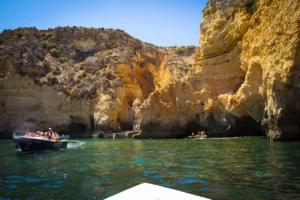
- Heading south to the coast? Check out my insider tips on booking private boat charters in the Algarve to explore hidden sea caves.
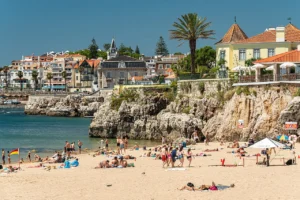
- Escaping Lisbon for a beach day? Master the transit logistics of taking the scenic Lisbon to Cascais train.
- Crossing the northern border into Spain? Here is what you need to know about the Porto to Vigo train reliability before booking.
- Looking for a historic inland escape? Discover the charm and history of the best boutique stays in Tomar.