Think Tuscany is just rolling hills and vineyards? Think again. The rugged islands of the Tuscan Archipelago are waiting, but reaching the remote ones takes serious planning. Here is how to navigate the crazy ferry logistics without losing your mind.
Guide Chapters
Interactive Map: Tuscan Archipelago Navigation Master
Use this fully interactive map to trace your route from mainland Italy down to the key gateway ports, locate your open-access island base camps, and scout the exact locations of the highly restricted wilderness sanctuaries.
💡 Navigation Tip: Zoom in on the coast to view the exact maritime corridors running from Piombino out to Elba, and Porto Santo Stefano across to Giglio!
Logistics of Visiting the Remote Islands of the Tuscan Archipelago
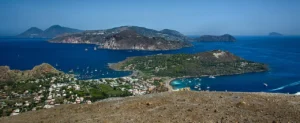
When most people think of Tuscany, they imagine sun-drenched rolling hills, endless vineyards, and getting a cliché photo holding up the Leaning Tower of Pisa. But if you turn your back on the mainland and look out into the Tyrrhenian Sea, there’s a whole other world waiting for you. The Tuscan Archipelago is made up of seven distinct island gems, and let me tell you, trying to navigate the logistics of visiting the remoter ones can feel like trying to solve a Rubik’s cube blindfolded.
Quick heads-up: Some of the links in this post are affiliate links. This means if you book a tour or secure a room through them, I earn a small commission at zero absolute extra cost to you. I only suggest things I genuinely trust, and your support keeps this site running!
Let’s be totally real here—while almost everyone has heard of Elba, islands like Montecristo, Pianosa, and Gorgona are heavily protected national parks. They operate with hardcore daily visitor caps, zero public medical facilities, and environmental protection rules that make your old school headteacher look laid-back. If you just rock up to a Tuscan port expecting to buy a last-minute ticket on a whim, the only thing you’ll be catching is a massive wave of disappointment.
To map this journey out without tearing your hair out, you first need to understand that your logistical masterplan begins on the Italian mainland. Unless you happen to be navigating the Mediterranean on a private luxury yacht, you’re going to need to get yourself to one of the two main gateway coastal ports: Piombino or Porto Santo Stefano.
If you are flying into regional international transport hubs like Pisa, Florence, or Rome, the absolute easiest way to handle this initial mainland stretch is by grabbing a set of wheels directly from the airport terminal. Public transport down to these specific coastal ports certainly exists, but it’s a bit of a faff involving multiple train connections and tight bus schedules, especially if you are reserving heavy suitcases. If you want to compare live rental rates and secure a reliable deal on a hire car without getting stung by hidden fees at the arrival desk, I highly recommend checking out DiscoverCars.
Alternatively, utilizing a trusted global aggregator like Economybookings.com is another fantastic option to sweep the marketplace for great rates. Having your own car lets you roll up to the coast entirely on your own schedule, which is vital because missing a morning ferry departure out here means your entire island itinerary is tossed straight into the sea.
Piombino is an industrial gateway sitting directly opposite Elba, serving as the primary springboard for the northern reaches of the archipelago. Further south, the stunning, rugged peninsula of Porto Santo Stefano handles the maritime routes out to Giglio and Giannutri. Leaving your rental car in a secure mainland port parking lot is usually your smartest move, as almost all of the truly remote islands ban non-resident vehicles entirely. Trust me, trying to ferry a car to a place with narrow dirt tracks and a total permanent population of twenty people is a nightmare you don’t want to experience.
Once you hit the coast, the archipelago splits into three distinct logistical tiers: the open-access hubs, the wild stepping stones, and the heavily guarded “forbidden zones.” Navigating them requires entirely unique game plans, starting with how you tackle the massive logistical gateways where you’ll actually want to drop anchor and sleep. Now that you know how to hit the coast without losing your mind, let’s talk about the big island hitters where you’ll actually want to set up a base camp before launching your remote island-hopping assaults.
Setting Up Base Camp & Scouting Pianosa
While Elba is the undisputed heavyweight champion of the archipelago, it’s almost too built-up to feel truly “remote.” If you want that proper island-outpost vibe without completely sacrificing a hot shower and a cold pint at the end of the day, Isola del Giglio is your golden middle ground. Tucked away in the southern half of the chain, Giglio is a gorgeous, rugged chunk of granite that requires a 1-hour ferry ride from Porto Santo Stefano.
The main local lifelines out here are the regional ferry operators, specifically Toremar and Moby Lines. During the peak summer months, these boats run back and forth like clockwork. But here’s the kicker: if you don’t lock down your accommodation months in advance, you’ll be sleeping on the beach—and the local park rangers definitely won’t appreciate that.
Whenever I’m mapping out a stay in Giglio Castello or the colorful harbor of Giglio Porto, I use Booking.com to scout out independent guesthouses and apartments early, making sure to filter for places that offer free cancellation just in case my ferry plans go belly up due to rough seas.
Once you’ve dropped your bags at your base camp, it’s time to look toward the wild stepping stones of the archipelago, starting with Isola di Pianosa. Pianosa is an absolute trip. It’s entirely flat, hovering just a few meters above the waves, and for decades it was completely off-limits to the public because it housed a brutal maximum-security prison. Because of its dark history, the surrounding marine life was left totally untouched, creating a spectacular underwater paradise that looks more like the Caribbean than the Mediterranean.
But you can’t just rent a dinghy and sail over to Pianosa for a look around. The National Park strictly limits the number of pairs of shoes hitting the island each day to protect the fragile ecosystem. The logistics of organizing this yourself involve navigating clunky, multi-layered state websites to buy a park entry permit, then separately coordinating a ferry ticket from either Piombino or Marina di Campo on Elba.
If you want to bypass that administrative nightmare entirely, the smartest shortcut is to jump onto an organized excursion. Booking a curated day trip through a trusted platform like GetYourGuide is a lifesaver here, as these packages generally bundle your return maritime transit, your official national park entry permit, and a certified local guide into one single, hassle-free ticket. It lets you skip the headache of coordinating transport timetables that never seem to align and ensures you actually get let onto the island when you arrive.
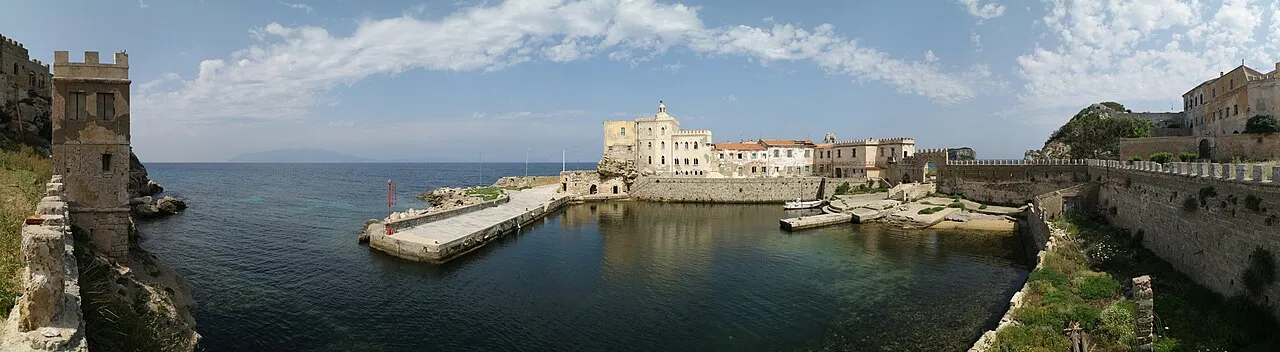
Just remember that once you step foot on Pianosa, you are under the watchful eye of park authorities. You can’t just wander off into the scrubland alone; you need to stay with your designated group unless you’re hanging out in the small, permitted beach area near the old harbor. It’s a surreal, highly controlled experience, but the crystal-clear water and eerie, abandoned prison buildings make it worth every single ounce of logistical effort. But if you think Pianosa sounds strict, wait until we look at the outer edges of the archipelago. We are talking about islands that are so heavily guarded, they make a prison island look like an open-door policy.
The Forbidden Outposts: Montecristo & Gorgona
Now we are entering the territory of the heavy hitters—the islands that require so much forward planning you’ll feel like you’re orchestrating a military operation. First up is Isola di Montecristo. Yes, that Montecristo. It’s shrouded in legend, completely uninhabited except for a couple of rugged park rangers, and looks like a massive, jagged mountain rising straight out of the sea.
If you think you can just charter a local fishing boat or paddle a kayak over to its shores, think again. The Italian government protects Montecristo like it’s Fort Knox. They enforce a strict annual visitor cap—usually capped at around 2,000 people for the entire year. The official booking window opens on the Official Booking Portal for the Tuscan Archipelago National Park early in the year, and let me tell you, those tickets vanish faster than a free plate of chips at the pub. If you don’t secure a spot the second they go live, you are completely out of luck until next year.
Because Montecristo has absolutely zero infrastructure, shops, or running water for tourists, you have to bring every single thing you need for the day with you. More importantly, because you are hiking over brutal, unforgiving granite trails hours away from the nearest mainland hospital, you’d be mad to step onto the boat without solid medical backup. Before I even think about setting foot on these ultra-remote islands, I always make sure my travel insurance is locked down. Checking out a comprehensive provider like VisitorsCoverage is a smart move here to ensure you have complete peace of mind if you happen to turn an ankle on a remote cliffside track.
Then there’s Isola di Gorgona, the northernmost island in the chain, which presents a completely different flavor of logistical madness. Gorgona isn’t just a nature reserve; it’s an active, working penal colony. Inmates roam the island freely, working the local vineyards and tending to livestock. Because of this, the logistical gatekeeping here is intense.
You can only visit Gorgona on a highly structured, official guided day tour. When you book your ticket, you don’t just give your name—you have to submit your full passport details weeks in advance so the Italian Ministry of Justice can run a literal criminal background check on you. If you pass the vetting process, you’ll be allowed onto the boat. But the rules don’t stop at the shoreline. The second you step off the ferry onto Gorgona, you are required to hand over all smartphones, drones, and cameras to the authorities. No photos, no Instagram check-ins, nothing. You walk the island under the tight supervision of a prison guard and a park guide.
Managing these intense, fast-moving booking updates and confirmation emails while you’re traveling through coastal Tuscany means you absolutely cannot rely on spotty public Wi-Fi networks at the ferry ports. To keep your internet connection completely seamless and secure without racking up a horrific roaming bill, it’s a brilliant idea to download a digital travel eSIM from a global store like Airalo before you leave the mainland. It gives you instant data the second you hit the coast, ensuring you don’t miss a critical email update regarding your prison background check or a sudden ferry schedule change due to shifting weather.
Speaking of shifting weather, that brings us to the ultimate wild card of the Tuscan Archipelago: the elements. Let’s talk about how to prep your gear and your mindset so a sudden change in the wind doesn’t completely wreck your hard-earned island adventure.
Maritime Elements & Strict Park Dress Codes
If there is one absolute truth about navigating the Tuscan Archipelago, it’s that Mother Nature holds all the cards. You can have the most meticulously planned, color-coded itinerary in the world, but if the Maestrale wind decides to blow a gale, those ferries are staying firmly tied to the dock. The sea conditions out here can turn from a flat millpond to a choppy mess in a matter of minutes, which is why checking a reliable regional maritime forecast like Consorzio LAMMA is an essential daily ritual for anyone trying to island-hop.
Because of this constant threat of weather disruptions, you need to pack smart and travel light. If you are heading out to islands like Giannutri or Capraia for a rugged day trip, the last thing you want to do is drag a massive 20kg rolling suitcase across rocky dirt paths or haul it onto a cramped passenger boat. Most of these restricted islands have zero paved roads, let alone smooth pavements. To save your back and avoid looking like an amateur, your best move is to leave your main luggage behind on the mainland or at your primary hotel base.
I highly recommend using a service like Radical Storage to find verified local shops, cafes, or hotels near the major ferry terminals where you can safely stash your heavy bags for a few euros a day. It leaves you entirely hands-free to hop on and off the ferries with nothing but a lightweight daypack.
Inside that daypack, you need to be carrying the holy trinity of remote island survival: water, sun protection, and proper footwear. Let me emphasize that last one, because the national park rangers on islands like Pianosa and Montecristo are absolutely brutal about it. If you rock up to the boarding gate wearing flimsy flip-flops, sliders, or smooth-soled fashion trainers, they will literally bar you from stepping onto the boat. The terrain is made of sharp volcanic rock and loose granite trails; you need proper hiking shoes or trail runners with decent grip just to pass the safety inspection at the gangway.
Furthermore, because these outer islands are protected wilderness zones, you won’t find a single trash can on them. Whatever plastic bottles, sandwich wrappers, or snack packets you bring with you must be packed right back out. It’s a strict “leave no trace” policy that the locals take incredibly seriously, and getting caught littering will land you a fine that will completely ruin your holiday budget.
Finally, because the weather can force sudden, last-minute cancellations, you might find yourself frantically sitting at a port cafe trying to rebook a ferry ticket or switch your hotel reservation on the fly. When you’re logging into those sketchy, unverified public Wi-Fi networks at the harbor to punch in your credit card details and passport info, you are leaving yourself wide open to hackers.
To keep your banking apps and personal data completely locked down while sorting out logistical emergencies, always fire up NordVPN before connecting to any open network. It gives you an encrypted shield so you can handle your travel updates securely without stressing about identity theft. Now that you know how to pack like a pro, handle the elements, and keep your data safe, let’s bring this all together into a definitive, no-nonsense logistical checklist so you can execute your Tuscan island escape flawlessly.
The Definitive No-Nonsense Island Checklist
To wrap this all up into a masterplan you can actually execute, let’s lay down the ultimate, no-nonsense logistical checklist. If you follow these steps down to the letter, you’ll be sipping a cold drink on a remote Tuscan beach while other tourists are still arguing with ferry ticket agents on the mainland.
First, handle your timeline prep. For heavily restricted islands like Montecristo and Gorgona, you need to treat booking day like you’re trying to score front-row tickets to a massive stadium concert. Mark your calendar for the turn of the year when the national park portal drops its dates, and get your passport info ready for the background checks. If you’re targeting Pianosa or Capraia, you have a bit more breathing room, but you still shouldn’t leave it later than a few weeks before your trip during the crazy summer rush.
Second, lock down your mainland transit securely. If you are flying into Pisa or Rome late in the evening before your morning ferry, don’t risk trying to flag down an unvetted local taxi or navigating confusing midnight regional bus changes. To avoid getting completely ripped off or stranded, it’s incredibly smart to pre-book a premium private airport transfer through a reliable service like Welcome Pickups. A driver will meet you right at the arrivals gate and drive you straight down to your coastal port hotel, acting like a mini local guide along the way.
If you prefer navigating the Italian rail network to reach the port towns, you can easily map out your overland routes and buy tickets ahead of time using an aggregator like Trip.com, which saves you from faffing around with the clunky ticket machines at the station. You can also cross-reference live schedules directly on the Trenitalia Official Site.
Third, complete your final gear check the night before you sail. Ditch the heavy suitcases at a secure luggage locker on the mainland and pare your kit down to a single sturdy daypack. Throw in twice as much drinking water as you think you’ll need—remember, islands like Montecristo have absolutely nowhere to buy a drink if you run dry. Make sure your hiking shoes are clean, packed, and on your feet; don’t even think about wearing open-toed shoes if you want to get past the park rangers at the gangway.
Finally, operate with total flexibility. Wake up early on the morning of your departure and check the live marine weather maps. If the ferry is cancelled due to a sudden shift in the winds, don’t panic or let it ruin your holiday. Have a backup plan ready on the mainland—the Tuscan coast is packed with incredible medieval hilltop towns, hidden vineyards, and stunning clifftop fortresses that make a phenomenal plan B.
Navigating the remote islands of the Tuscan Archipelago takes a bit of grit, a decent amount of forward planning, and a willingness to play by the rules of the local park authorities. But the second you step off the boat onto an island that feels completely frozen in time, with crystal-clear waters and wild, untouched nature stretching out to the horizon, you’ll realize that every single ounce of logistical headache was entirely worth it.