Master the critical details of the cross-border Celta train route connecting Porto, Portugal, to Vigo, Spain. Evaluate schedule reliability, learn how to navigate international time zone shifts seamlessly, and discover smart alternative transport options for a stress-free journey.
Let’s be totally honest: planning a cross-border trip through the Iberian Peninsula can sometimes feel like trying to solve a puzzle with missing pieces. If you’re looking to travel from the historic streets of Porto up to the coastal hub of Vigo in Galicia, you’ve likely stumbled across the “Celta” train. But is it actually reliable for your 2026 itinerary, or are you better off throwing your bags into the back of a rental car or booking a long-distance coach?
Before we dive into the dirty details of schedules, border track maintenance, and time-zone traps, let’s get the legal housekeeping out of the way.
Quick heads-up: Some of the links in this post are affiliate links. This means if you book a tour or secure a room through them, I earn a small commission at zero absolute extra cost to you. I only suggest things I genuinely trust, and your support keeps this site running!
The Core Verdict: Great Experience, Small Catch
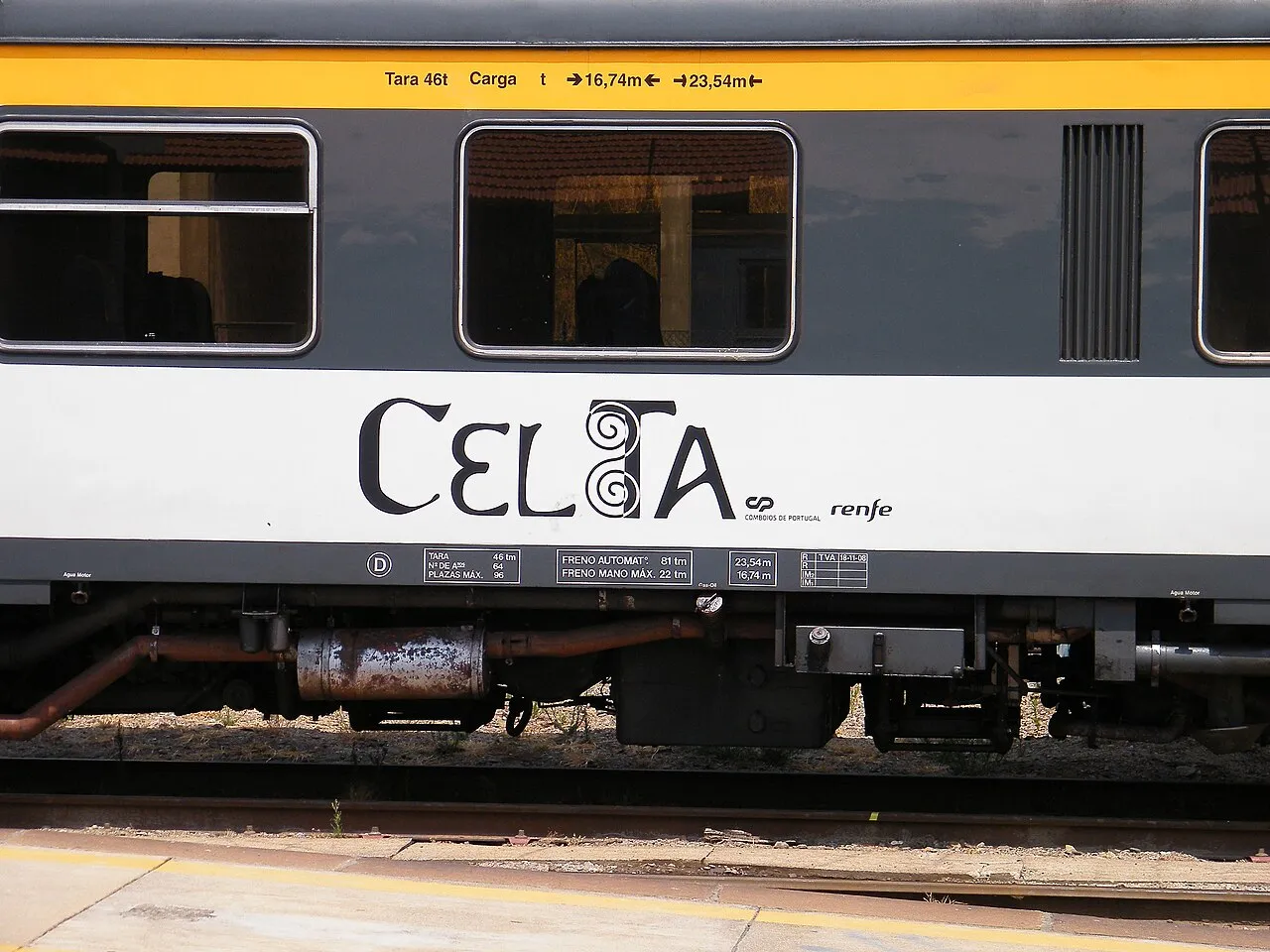
If you hate long bus rides and prefer the smooth roll of iron rails, the direct Celta train—jointly operated by Portugal’s
Comboios de Portugal and Spain’s Renfe — is easily the best way to travel between Porto-Campanhã and Vigo-Guixar. When it’s running smoothly, it covers the 174-kilometer journey in a highly competitive 2 hours and 30 minutes.
However, the major asterisk next to its “reliability” isn’t mechanical failure or constant delays—it’s frequency and active 2026 infrastructure changes.
The train only runs twice per day in each direction. If your flight lands late or your schedule doesn’t align with those specific departure brackets, you lose your rail option entirely for half the day. Furthermore, if you are traveling during the major cross-border track modernization period running through early 2027, you need to be prepared for coordinated replacement bus disruptions on the northernmost leg of the route.
The Two-Train Daily Trap & The Hidden Time Jump
The trickiest part of booking the Celta train is simply how few options you have. Because it is a dedicated international service, it doesn’t run every hour like a standard regional commuter line.
Here is what the standard daily schedule looks like for 2026:
- The Morning Departure: Leaves Porto-Campanhã around mid-morning, arriving in Vigo just in time for a late Galician lunch.
- The Late Afternoon/Evening Departure: Leaves Porto in the evening, getting you into Spain for a traditional late-night dinner.
Because there are only two direct trains, tickets on peak weekend runs sell out weeks in advance during the summer months. If you miss your train, you can’t just hop on the next one twenty minutes later. You’ll be forced to switch gears entirely and scramble to book an emergency long-distance coach with regional carriers like FlixBus, which run far more frequently but face the unpredictability of highway traffic on the A3 and AP-9.
Then there is the classic trap that catches out dozens of travelers every single week: the Iberian Time Jump.
Portugal runs on Western European Time (WET), while Spain is one hour ahead on Central European Time (CET). When you look at the timetable from Porto to Vigo, the arrival time looks like the trip takes three and a half hours. It doesn’t! The actual journey time is a swift 2 hours and 22 minutes, but you “lose” an hour the second you cross the Minho River border. If you have tight dinner reservations or a connecting train to Santiago de Compostela booked through Trainline up in Vigo, forgetting this time change can completely derail your evening logistics.
The Vigo Station Shell Game: Guixar vs. Urzáiz
Once you actually cross the border and make it to Vigo, you face another unique logistics quirk that catches out unsuspecting travelers. Vigo does not have one central train station; it has two major hubs, and they serve completely different purposes.
When you roll into the city on the direct Celta train from Porto, you will always arrive at Vigo-Guixar station.
- Vigo-Guixar: This is a classic, quieter terminus located down by the bustling port docks. It handles the traditional, older rail lines, regional international transport, and slower coastal tracks.
- Vigo-Urzáiz: This is a gleaming, ultra-modern underground station built beneath a massive multi-level shopping complex higher up in the city. This is the high-speed hub where you catch the lightning-fast AVE or Alvia trains heading toward Santiago de Compostela, A Coruña, or all the way to Madrid.
Why does this matter for your trip’s reliability? If you plan to hop straight off your train from Portugal and immediately board a high-speed connection deeper into Spain, you cannot just look for your next platform on the overhead arrival boards. You will likely need to physically transfer between the two stations.
The two terminals are roughly a 15-to-20-minute walk apart, but Vigo is a city famous for its punishing, steep coastal hills. Dragging heavy luggage up the incline from Guixar to Urzáiz is no joke. While the city has installed an impressive public lift system (the Halo lift) to help bridge the lower and upper parts of town, you should absolutely build a generous 30-to-40-minute buffer into your schedule if you are switching terminals. Alternatively, a quick, cheap taxi ride from the ranks directly outside the Guixar exit will save your knees and your schedule.
The 2026/2027 Engineering Obstacle: The Mandatory Bus Substitution
Here is the most critical update you need for planning a trip right now: the absolute biggest threat to your journey’s reliability is an ongoing, major infrastructure project.
Because of extensive track modernization and engineering works managed by Spain’s infrastructure authority (ADIF), the rail line between the border and Vigo is experiencing major disruptions. Specifically, from 6 April 2026 through 7 April 2027, the direct rail service for all Celta trains is restricted.
What does this mean for you on the ground?
- The Segment Split: You will not stay on the train the entire way. You will board the standard train in Porto and ride it up to the Portuguese border town of Valença.
- The Road Transfer: At Valença, all passengers must disembark and transfer onto a coordinated replacement coach service to complete the final leg into Vigo-Guixar (and vice versa for the reverse route).
While Comboios de Portugal keeps the original timetables active, they explicitly warn that actual arrival times in Vigo are subject to road traffic on the cross-border highway. If there is a bottleneck at the border or commuter traffic entering Vigo, your schedule will slide.
Important Restriction Alert: These replacement buses come with strict luggage and accessibility rules that don’t apply to standard trains. Bicycles and e-scooters are banned unless they are completely packed down into specific transit dimensions (140 x 90 x 40 cm), domestic pets are strictly prohibited on the coach segment, and the buses lack standard wheelchair ramps. If you are traveling with heavy gear or a furry companion this year, the train route is a logistical non-starter, and you should look into long-distance buses or rental cars instead.
The Final Verdict: Is it Worth It in 2026?
Despite the mandatory 2026–2027 cross-border bus bridge between Valença and Vigo, the Celta train remains a highly reliable, scenic, and deeply rewarding way to travel between northern Portugal and Galicia. As long as you keep the limited twice-daily schedule in mind and build an extra 30-minute cushion into your post-arrival plans, the train beats driving yourself or taking a highway coach the entire way.
To make sure your journey goes off without a single hitch, keep these final logistical golden rules in your back pocket:
- Book Well in Advance: A standard one-way ticket on the Celta is incredibly budget-friendly, typically costing around €16.75. However, Comboios de Portugal frequently drops promotional “Promo” fares starting as low as €7.15 if you book a few weeks early. Secure these early seats on Rail Europe before the weekend slots sell out.
- Beware the Station Amenities: If you plan to drop your bags and explore Vigo for a few hours before heading on to Santiago, take note: neither Vigo-Guixar nor Vigo-Urzáiz stations have physical luggage lockers inside the concourse. Avoid dragging your bags up the city hills by booking an independent local storage spot ahead of time with Radical Storage, which has vetted partner points right outside the Guixar terminal exit.
- Keep an Eye on the Clock: Double-check your watch the second your replacement bus rolls across the international bridge over the Minho River. Losing that hour to the Spanish time zone change is the single biggest cause of missed connections in Galicia.
Pack your bags, grab a window seat for the beautiful Portuguese countryside, and enjoy the seamless transition from the home of Port wine to the land of Albariño seafood lunches!
🇵🇹 More Expert Portugal Travel & Logistics Guides
- Planning a trip to the wild Atlantic outposts? Read my breakdown on how to get to Flores, Azores seamlessly.
- Heading south to the coast? Check out my insider tips on booking private boat charters in the Algarve to explore hidden sea caves.
- Escaping Lisbon for a beach day? Master the transit logistics of taking the scenic Lisbon to Cascais train.
- Looking for a historic inland escape? Discover the charm and history of the best boutique stays in Tomar.
- Ditching the heavy daytime tourist crowds? Read my honest warning on why you shouldn’t stay in central Sintra.