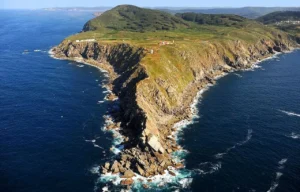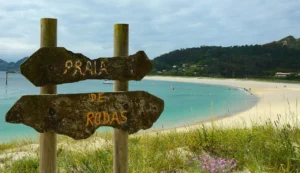
Master the ultimate travel guide to exploring Cudillero, the most colorful and picturesque fishing village in Asturias, Spain. Learn how to navigate its steep hillside viewpoints, find the best local seafood, and enjoy an authentic Asturian cider experience.
What’s Inside This Guide
- 1. The Big Cudillero Dilemma: Cliffside Views vs. Flat Convenience
- 2. Driving and Parking: How to Avoid a Terrifying Dead End
- 3. Conquering the Miradores: The Best Views (Without the Sprained Ankles)
- 4. Escaping the Midday Swarm: Heading Out to the Hidden Coast
- 5. Seafood and Sidra: How to Eat and Drink Like a True Asturian
- 6. The Ultimate Cudillero Survival Checklist: Weather, Timing, and Tech
📍 Cudillero Interactive Route & Hotspot Map
To help you get your bearings before you drop the clutch, use this interactive map to spot exactly where the resident-only zones end, where the secret viewpoints hide, and how to plot your drive out to the coast without getting jammed.
Key Locations Marked on Your Dashboard:
- Puerto de Cudillero: The large public parking zone down by the fishing docks. Bookmark this as your primary GPS arrival point!
- Plaza de la Marina: The bustling amphitheater square where you’ll be knocking back natural cider and fresh catches.
- The Miradores Ring: The steep clifftop loop connecting La Garita, El Pico, and El Baluarte high above the roofs.
- Playa del Silencio: Located roughly 15 minutes due west down the coastal N-632a artery.
Picture this: you’re sitting at a rustic wooden table down by a coastal plaza, splitting a steaming clay dish of garlic prawns and a cold bottle of locally poured cider with your mates. You look up, and instead of a boring row of concrete hotel blocks, you see neon-colored houses stacked directly on top of each other, clinging to a sheer rock face like brightly painted barnacles. This is Cudillero, an old-school, salt-of-the-earth fishing village tucked away on Spain’s wild northern coast. It completely throws out the stuffy, textbook holiday resort vibe in favor of steep, winding stone alleys, crashing Atlantic waves, and seafood so fresh it practically leaps right onto your plate.
Quick heads-up: Some of the links in this post are affiliate links. This means if you book a tour or secure a room through them, I earn a small commission at zero absolute extra cost to you. I only suggest things I genuinely trust, and your support keeps this site running!
But let’s be totally honest for a second: because this gorgeous spot is built inside a sharp, natural amphitheater, navigating it can throw some serious curveballs at regular drivers and independent travelers. From avoiding massive tourist parking traps to figuring out whether you should drop your bags at a cliffside hideaway or a flat valley cottage, getting your logistics wrong can turn a relaxing getaway into a brutal leg workout. This deep-dive guide is all about helping you close those knowledge gaps, avoid the easy mistakes, and figure out exactly how to tackle this stunning village with total confidence.
The Big Cudillero Dilemma: Cliffside Views vs. Flat Convenience
When you start looking for a place to lay your head, you’re going to face a major choice that determines exactly how much you’re going to sweat during your trip. The village is essentially split into two distinct layout zones, and picking the wrong one based on your personal mobility or luggage situation can ruin your arrival day.
- The Amphitheater Core (The Cliffside): Staying inside those iconic, colorful houses offers views that will absolutely blow your mind. You wake up, open the shutters, and look straight down into the buzzing plaza and the sea. The catch? This entire area is completely pedestrianized and features near-vertical stone steps. If you book a room up here via a trusted platform like Booking.com, you need to pack light, because you will be hauling your bags up by hand.
- The Low Valley & Port Periphery: If the thought of carrying a 20kg suitcase up a 45-degree incline makes your knees ache, look for accommodation along the main entry road or near the port. It’s flat, accessible, and vastly easier for moving gear in and out. You won’t have that classic postcard view directly from your window, but your joints will definitely thank you after a long day of exploring.
Driving and Parking: How to Avoid a Terrifying Dead End
Northern Spain is absolute paradise for an independent road trip, but trying to drive right into the heart of Cudillero is a classic rookie mistake that will quickly spike your blood pressure. The inner streets are incredibly narrow, tightly winding, and strictly off-limits to non-resident vehicles. If you accidentally wander in, you’ll find yourself stuck reversing down a cobblestone alley with millimeters to spare on either side.
To keep your sanity and your vehicle intact, your absolute best move is to head straight for the massive public parking area down by the port, known locally as the Puerto de Cudillero. It’s a flat, easy stroll along the water right into the central square. During the peak summer months, a small fee keeps things organized, but it saves you from the stress of circling the narrow approach roads. If you’re planning to explore the wider coastline, it’s highly recommended to pick up a nimble, compact car through an aggregator like DiscoverCars to easily tackle the tight coastal turns and cliffside parking spots across the region. For up-to-date regional driving regulations, seasonal road notices, and official travel maps, make sure to cross-reference your route with the official Turismo Asturias website before you set off.
Conquering the Miradores: The Best Views (Without the Sprained Ankles)
Once you’ve dropped your bags and had a quick breather, it’s time to tackle the Miradores—the legendary cliffside viewpoints that ring the village like rows of stadium seating. Now, a quick word of warning: there isn’t just one single, neatly paved path up here. Instead, the cliffside is a sprawling, chaotic web of steep, narrow residential staircases.
The signposting can be a bit hit-and-miss, and honestly, half the fun is getting slightly lost in the maze of pastel-blue, pink, and mint-green houses. Just remember to keep your voice down and respect the locals; these stone steps are literally their front doorsteps and walkways. If you’re hunting for those jaw-dropping panoramic photos to show everyone back home, these are the three vantage points you absolutely cannot skip:
- Mirador de la Garita: Located on the eastern side of the natural amphitheater, this spot gives you that classic, postcard-perfect view looking right back at the colorful houses stacked up the cliff. The climb is a serious calf-burner, but watching the tiny fishing boats bobbing in the harbor below makes every single step worth it.
- Mirador del Pico: Perched right at the highest crest of the village layout, this viewpoint offers a completely uninterrupted, 360-degree view of both the rugged Cantabrian Sea and the dramatic green mountains rolling away inland.
- Mirador de El Baluarte: A slightly easier walk from the main square, this spot used to house the village’s old defensive cannons. It’s the absolute perfect place to watch the dramatic Atlantic waves smash against the outer stone harbor walls.
Because these winding trails involve a lot of uneven, slick stone steps and sheer cliff edges, an accidental slip can easily derail your holiday. Before you head out to tackle northern Spain’s rugged terrain, it’s always a smart move to make sure you’ve locked in solid medical protection through a reliable provider like VisitorsCoverage so you can hike and explore the cliffs with total peace of mind.
Escaping the Midday Swarm: Heading Out to the Hidden Coast
Cudillero is no secret, and by mid-morning during the peak summer months, the central square can get pretty packed with day-trippers. When you see the crowds starting to swell around 11 AM, that is your ultimate cue to clear out and explore the incredible, untouched coastline right on the village’s doorstep.
If you want to leave the tour buses far behind, grab your car keys and head 15 minutes west to Playa del Silencio (The Beach of Silence). This place completely lives up to its name. There are no tacky souvenir stalls, noisy beach bars, or rows of plastic sun loungers here. Instead, you get a giant, amphitheater-shaped crescent of soaring rock cliffs protecting a perfectly still, glassy cove of turquoise water. It’s a steep, 10-minute walk down to the shore from the gravel parking area, so make sure to bring your own water and snacks, because raw nature is the only host down there.
For travelers who prefer to leave the navigation to someone else, booking a curated coastal day trip through GetYourGuide is an absolute lifesaver. You can find fantastic local guides who will take you to hidden sea caves and dramatic clifftop lighthouses, like nearby Cabo Vidio, without you having to stress over driving down narrow, single-track country lanes. Alternatively, if you want to compare a wider mix of regional sightseeing tours, coastal treks, and outdoor adventures across the Costa Verde, checking the latest independent options on Viator will give you plenty of inspiration to keep your itinerary packed with real-world value.
Seafood and Sidra: How to Eat and Drink Like a True Asturian
Let’s face it: after conquering those vertical cliffside staircases, you are going to be absolutely ravenous. Luckily, Cudillero is basically the seafood capital of the Costa Verde. The absolute heart of the culinary action happens right in the Plaza de la Marina, the main amphitheater square that opens up directly onto the old port. It is lined with outdoor terraces, glowing string lights, and the intoxicating smell of fresh grilled fish. But because it’s the main focal point for every visitor in town, you need a quick game plan to make sure you get an authentic, top-tier meal instead of an overpriced, generic tourist trap.
The first golden rule of dining here is to look for where the locals are heading, especially around the traditional Spanish lunch hour of 2 PM to 4 PM. If a tavern has a whiteboard outside with handwritten daily catches scrawled in chalk—like pixín (monkfish), navajas (razor clams), or zamburiñas (variegated scallops)—you are on the right track. Avoid places with massive, translated glossy picture menus fading in the sun. Instead, if you want to verify real-world diner feedback and scope out the most highly rated back-alley taverns away from the main drag, jumping on Tripadvisor – Experiences is a fantastic way to filter out the noise and find the genuine culinary standouts.
Another practical hurdle when exploring these cramped, bustling seafood joints is managing your gear. The tables in these old stone taverns are packed tightly together, and there is absolutely nothing worse than clattering into a waiter with a massive hiking backpack or a heavy day-case. To keep your dining experience totally relaxed and hands-free, consider dropping your bulky bags off at a secure local locker network like Radical Storage before you secure your table, leaving you free to navigate the tight seating layouts without breaking any glasses.
Now, let’s talk about the real star of the show: Asturian cider, or sidra. Ordering a bottle is practically a mandatory rite of passage here, but it comes with a completely unique set of unwritten rules[cite: 1]. Asturian cider is totally flat, natural, and tart—it tastes nothing like the sweet, bubbly commercial stuff you might get back home. Because it has no carbonation, it has to be aerated by a fascinating local process called escanciar.
The waiter will stand perfectly upright, hold a thick glass at hip level, raise the green cider bottle high above their head, and pour a thin stream from a height of about three feet, hitting the inside rim of the glass perfectly. This creates a brief, fizzy head of bubbles that completely wakes up the flavor. You will only be poured a tiny splash at a time—known as a culín—and the rule is that you must down it immediately in one single gulp while it’s still fizzing[cite: 1]. Leave a tiny drop at the bottom of the glass and throw it right onto the floor (which is usually covered in sawdust or drains) to wash away the natural sediment. It’s a bit messy, completely chaotic, and brilliant fun. Don’t try to pour it yourself unless you want to wash your shoes in alcohol—just leave it to the absolute pros!
The Ultimate Cudillero Survival Checklist: Weather, Timing, and Tech
Before you throw your sunglasses into a bag and jet off to Asturias, we need to cover the final practical pieces of the puzzle[cite: 1]. Northern Spain is stunning, but it plays by a completely different set of rules compared to the blazing, dry southern coast of Andalucia. To make sure you don’t get caught out, here is your quick real-world checklist to lock in a flawless trip.
1. The Weather Reality Check (The “Green” in Costa Verde)
Let’s keep it real: the Costa Verde is breathtakingly lush and green for a very specific reason—it gets a fair amount of rain, even in the middle of summer. In Cudillero, you can easily experience a gorgeous, sun-drenched morning followed by a sudden, thick sea mist (orvallo) that rolls over the cliffs by afternoon.
- What to Pack: Leave the flimsy flip-flops for the beach. You need sturdy walking shoes or trainers with excellent grip because those steep coastal cobblestones become incredibly slick when the maritime humidity hits. A lightweight, packable windbreaker or waterproof jacket is an absolute must-have in your daypack.
- Best Time to Visit: To get the absolute best balance of warm weather and open tavern terraces, aim for late June through September. July and August are vibrant and buzzing, but if you want to avoid the peak crowds, mid-September is a brilliant hidden opportunity where the sea is warm and the day-trippers have mostly cleared out.
2. Nailing Your Digital Setup
Because Cudillero is tucked snugly inside a deep rocky crescent, local mobile signals can be incredibly patchy once you start wandering into the deep stone alleys or hiking up to the high miradores. Relying on spotty public Wi-Fi networks in cafes to load your driving routes or look up seafood translations is a recipe for frustration.
To completely bypass expensive roaming fees and stay connected, your smartest move is to install a digital travel data profile before you even board your flight[cite: 1]. Getting sorted with a flexible eSIM from Airalo ensures you have immediate access to maps, regional translation tools, and emergency contacts the second you touch down in Spain[cite: 1]. Alternatively, if you want a reliable backup plan built by one of the biggest names in online tech, setting up data through Saily will give you a rock-solid connection for uploading your cliffside photos safely on the go.
Speaking of safety, you’ll likely find yourself logging onto shared networks at regional airports, train stations, or central village squares at some point during your journey[cite: 1]. Unverified public networks are prime hunting grounds for data snoops. To protect your personal banking apps, credit card details, and travel documents while traveling independently, always route your internet traffic through an encrypted, high-speed tunnel using a trusted provider like NordVPN. It keeps your digital footprint locked down tight so you can focus entirely on enjoying your coastal escape.
Official & Free Resources for Your Dashboard
Look, we love a good shortcut, but nothing beats straight-from-the-source information when you’re actually on the ground trying to decipher bus times or local holiday closures. To ensure you don’t get stuck out on a cliffside, here is a quick, completely free list of official, non-commercial resources to keep bookmarked on your smartphone:
- Spain’s Official Tourism Portal: Dive into the official
Spain.info Cudillero Guide
for deep cultural history, operating hours for landmarks like the Chapel of El Humilladero, and seasonal contact details for the local tourist booth down by the port. - Asturias Regional Tourism Directory: The local government’s
Turismo Asturias Portal
is the absolute best database for downloading free regional brochures, identifying official visitor itineraries, and double-checking safety updates for regional coastal paths. - Renfe Cercanías (Commuter Trains): If you’re skipping the car keys, use the official
Renfe Asturias Hub
to track local commuter train schedules in real time. They utilize a brilliant “Cronos” system, meaning you can tap straight through the station turnstiles using your contactless phone or debit card without standing in line for paper tickets. - ALSA Regional Bus Network: For hopping between the smaller, peripheral fishing villages along the rugged Costa Verde, checking routes on the official
ALSA Asturias Network
gives you direct timetables for the provincial bus lines alongside free onboard Wi-Fi to map out your stops.
🇪🇸 More Expert Spain Travel & Logistics Guides
- Weighing up transit choices down south? See my comprehensive Andalusia train vs car guide.
- Driving up north? Be fully prepared for navigating Asturias’ narrow coastal roads.
- Hunting for wild, crowd-free shores? Explore the hidden beaches of northern Galicia.
- Island hopping in the Med? Master your connections with my guide to Balearic transport hubs.
- Heading to the Balearics car-free? Learn how to navigate Menorca beaches without a car.
- Visiting Spain’s Atlantic paradise islands? Lock in your Cies Islands ferry booking logistics.
- Planning a Pyrenees climbing adventure? Check out the best Alquezar climbing accommodation.
- Looking for historic, high-end stays? Use my expert guide to booking Spanish Parador hotels.