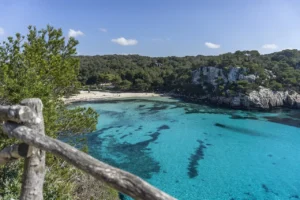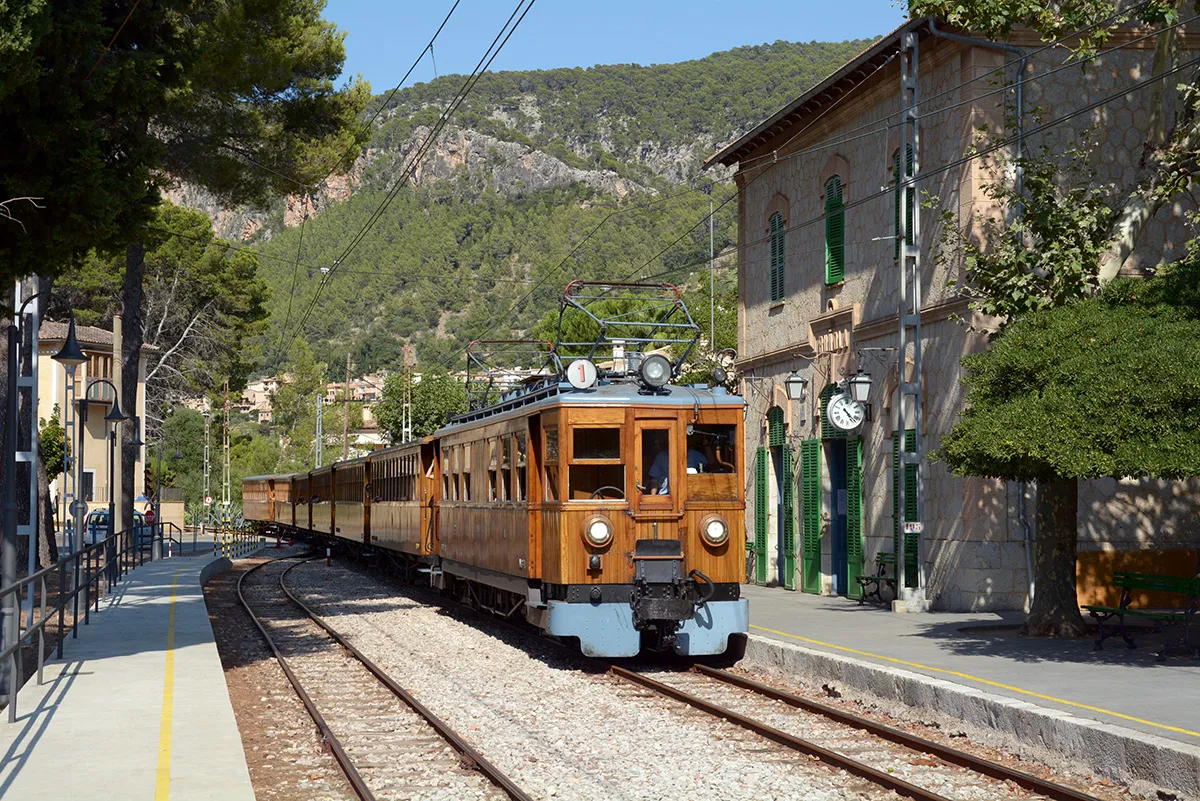
Master the essential transit network connecting Mallorca, Menorca, Ibiza, and Formentera. Learn to seamlessly navigate major Balearic transport hubs, coordinate seasonal inter-island ferry routes, and secure smart airport transfers to ensure a smooth, stress-free Mediterranean island-hopping adventure.
What’s Inside This Guide
- 1. The Balearic Transit Grid: The Big Picture
- 2. Palma de Mallorca Airport (PMI): Conquering the Heavyweight
- 3. The Maritime Gateways: Palma and Alcúdia Ports
- 4. Ibiza Airport (IBZ): Stepping Into the White Isle
- 5. Ibiza Port to Formentera: The Ultimate Island-Hop
- 6. La Savina Port (Formentera): The Eco-Conscious Haven
- 7. Menorca Airport (MAH): Finding Your Flow on the Quiet Island
- 8. Menorca’s Split Personality: Mahón vs. Ciutadella Ports
- 9. Inter-Island Logistics: Ferries vs. Flights
- 10. What to Do When the Logistics Fall Apart
- 11. The Ultimate Hub Survival Weapon: Instant Connectivity
- 12. The Ultimate Balearic Hub Survival Checklist
Interactive Balearic Hub Locator
Use this live interactive map to zoom in, explore, and route your way through the main airports and ferry terminals across Mallorca, Ibiza, Menorca, and Formentera.
Let’s be honest: there’s nothing worse than stepping off a flight, feeling that gorgeous Mediterranean warmth hit your face, and immediately plunging into a state of pure logistical panic. You’re standing outside a bustling terminal, surrounded by hundreds of holidaymakers, trying to figure out which bus goes where, how to avoid getting absolutely fleeced by unvetted local cabs, or where on earth your car hire company is hiding. Navigating the transport hubs of Mallorca, Ibiza, Menorca, and Formentera shouldn’t feel like a high-stakes puzzle. Whether you’re flying into a mega-terminal or stepping off a ferry onto a sleepy dock, getting from A to B can actually be a breeze if you know the layout and the insider hacks.
The Balearic Transit Grid: The Big Picture
Before we dive into the specific islands, you need to understand how the Balearic hub system works. You’ve got three main airports scattered across Mallorca, Ibiza, and Menorca, all managed by Spain’s official airport authority, Aena. Then you have a network of busy maritime ports handling massive car ferries from mainland Spain (Barcelona, Valencia, Dénia) and nimble inter-island catamarans.
If you’re planning a multi-island escape or just trying to reach your holiday villa without a breakdown, your journey will almost certainly start at one of these major gateways. Let’s break down exactly how to conquer them, starting with the undisputed heavyweight champion of the archipelago: Mallorca.
Palma de Mallorca Airport (PMI): Conquering the Heavyweight
Palma de Mallorca Airport—often just called Son Sant Joan—is a monster. In the peak summer months, it handles millions of travelers, making it one of the busiest transport hubs in Europe. When you land, prepare for a bit of a walk; the airport has four massive modules (A, B, C, and D), and walking from your gate to the main arrivals hall can easily take 10 to 15 minutes. Don’t panic, just follow the “Equipatges / Equipajes” (Baggage Claim) signs.
Once you grab your bags and exit into the arrivals public hall, you have a few choices to make, and making the wrong one can cost you serious time and cash.
Option A: Public Transport (Buses and Trains)
If you’re heading straight into Palma city centre, do not waste money on a premium taxi. The local city bus company, EMT Palma, runs the excellent A1 Line directly from the arrivals terminal straight to Plaza de España (the main transport terminal in the city). It runs roughly every 10–15 minutes and costs a fraction of a cab fare. If you’re heading towards the beach resorts of Can Pastilla or El Arenal, hop on the A2 Line instead.
What if you are bypassing Palma altogether and heading straight to the northern resorts like Alcúdia or eastern spots like Cala Millor? That’s where Mallorca’s excellent regional transport network, TIB Mallorca, comes into play. They run direct, air-conditioned Aerotib buses (Lines A11, A32, A42, etc.) right from the airport platform during the high season, bypassing the city entirely. It’s incredibly efficient, and you can just tap your contactless bank card on the bus to pay—no confusing ticket machines required.
Option B: Car Rental—The Ultimate Freedom (With a Catch)
Look, public transport is great, but if you want to explore hidden coves, remote mountain villages in the Tramuntana, or charming inland towns, you need your own set of wheels. The airport car rental layout can be a bit of a battlefield. The big-name desks inside the terminal often have soul-crushing queues during peak hours, and some local operators might try to hit you with cheeky hidden fees or aggressive insurance upsells at the desk.
To keep your sanity intact and lock in a fair price, always use a solid comparison platform like DiscoverCars before you leave home. It lets you sort through trusted suppliers, check real customer reviews, and secure full insurance coverage upfront so you can simply grab your keys and roll out. If you prefer to cross-check rates across multiple veteran brokers, Economybookings.com is another brilliant tool to ensure you aren’t getting ripped off.
Option C: Private Transfers & Cabs
If you’re traveling with family, carrying heavy luggage, or landing late at night when the bus schedules dry up, public transit isn’t ideal. While there is a regulated taxi rank right outside arrivals, queues can stretch long under the baking sun.
To bypass the chaos completely, pre-booking a private airport transfer is an absolute lifesaver. Companies like Welcome Pickups offer premium, personalized service where a professional driver meets you right at the arrivals gate with a sign, helps with your bags, and drives you straight to your destination. For larger groups or those looking for an ultra-reliable shared shuttle or private ride alternative, HolidayTaxis provides an excellent, hassle-free booking experience that keeps you from starting your trip stressed.
Now that you know how to conquer Mallorca’s air gateway, let’s pivot down to sea level. Just a short drive from the terminal lies the sprawling Port of Palma, the island’s maritime lifeblood…
The Maritime Gateways: Palma and Alcúdia Ports
If you’re arriving in Mallorca by water instead of air, you’ll be dropping anchor at either the Port of Palma in the southwest or the Port of Alcúdia in the north. Both are managed by the official Ports de Balears, and they handle everything from massive cruise ships to passenger ferries coming in from Barcelona or Menorca.
Palma’s ferry terminal is quite stretched out along the Paseo Marítimo. If you roll off a ferry with a mountain of bags and have an awkward eight-hour gap before you can check into your Airbnb, do not drag your suitcases through the cobblestone streets of the Old Town. Instead, use a service like Radical Storage to find a secure, vetted local shop or cafe where you can dump your gear for a few hours and sightsee completely hands-free.
Alternatively, if you’re heading straight out into the sun and want to skip the traffic jams entirely, hiring a nimble scooter right from the coastal area is the ultimate pro move. Zipping around on two wheels is often the best way to tackle Mallorca’s busier beach zones, and platforms like BikesBooking.com let you compare prices on scooters, e-bikes, and motorbikes ahead of time so your ride is waiting for you when you step off the deck.
Over on the north side of the island, the Port of Alcúdia is much more compact but vital if you are planning to take a fast ferry over to Menorca. It’s highly organized, completely pedestrian-friendly, and connects smoothly with the TIB bus network if you’re heading down towards Palma or inland.
Ibiza Airport (IBZ): Stepping Into the White Isle
Let’s leave Mallorca behind and fly or sail southwest over to Ibiza. The moment you land at Ibiza Airport (IBZ), the energy shifts. It’s a bright, high-octane hub that undergoes a massive transformation every single summer. While it’s nowhere near as giant as Palma’s airport, it can feel incredibly chaotic in July and August when thousands of music fans and holidaymakers pour through the single arrivals terminal simultaneously.
The layout here is straightforward: one main terminal building for both arrivals and departures. Once you clear the baggage claim and step into the public arrivals lounge, your priority should be beating the crowds to your chosen transport method.
Cracking Ibiza’s Public Bus System
If you’re traveling on a budget or heading straight into the heart of the action, Ibiza’s public bus system is surprisingly reliable. The network is overseen by the official island council via Ibiza Bus / Consell d’Eivissa.
To get from the airport to Ibiza Town (Eivissa), look for the Line 10 Bus stop right outside the terminal. It runs frequently throughout the summer and drops you right at the main Eivissa bus station or the port. If you are staying on the opposite side of the island in the sunset strip of San Antonio, you’ll want to jump on the Line 9 Bus, which operates as a direct airport express link during the high season.
Wheels on the White Isle: Car vs. Scooter
If your dream Ibiza trip involves chasing secluded coves like Cala D’Hort or exploring the bohemian artisan markets in the northern hills, public buses won’t always cut it. You are going to want independent wheels.
For those who want a car to pack in beach umbrellas and luggage, booking early is absolutely critical on this small island because local fleets dry up fast. Using a reliable aggregator like DiscoverCars allows you to compare the big airport brands against smaller local operators, ensuring you get transparent pricing without nasty, unexpected deposit shocks at the service desk.
However, if you’re staying near Ibiza Town, Playa d’en Bossa, or San Antonio, a bulky rental car can quickly become a parking nightmare. This is where a scooter becomes your absolute best friend. You can park right next to the sand, bypass coastal traffic queues, and feel that warm island breeze. Checking out options on BikesBooking.com before you arrive lets you lock in an affordable scooter or quad bike from a verified local agency without the stress of bartering at a roadside kiosk.
Now, if you thought the airport was bustling, wait until you see where the magic happens on the water. Ibiza Town Port is a legendary hub that bridges the gap between wild nightlife and the ultimate laid-back island escape…
Ibiza Port to Formentera: The Ultimate Island-Hop
If you’re looking to swap the thumping basslines of Ibiza for the absolute serenity of Formentera, your gateway is the Port of Ibiza Town. Managed under the same Ports de Balears umbrella, this port is a fascinating mix of multi-million-pound superyachts and practical local commuter terminals.
To catch a fast ferry across to Formentera, you’ll want to head to the dedicated ferry terminal area along the harbor. Several main companies operate regular daily crossings, taking anywhere from 30 to 50 minutes. It’s a busy route, but completely straightforward.
La Savina Port (Formentera): The Eco-Conscious Haven
When your ferry glides into La Savina Port in Formentera, you are stepping onto an island that takes environmental preservation incredibly seriously. Before you even dream of bringing a car here, you need to know the golden rule of Formentera: tourist vehicles are strictly restricted during the peak summer months. To bring a vehicle over, you have to apply for official authorization well in advance via the government’s Formentera.eco platform. If you try to roll off the ferry with an unauthorized car, you’ll face some eye-watering fines.
Honestly? Save yourself the massive headache. Formentera is tiny, mostly flat, and practically built for two wheels. The absolute best way to navigate this Caribbean-like paradise is on a scooter or an electric bicycle. The moment you step off the gangway at La Savina, you’ll see a sea of rental kiosks. Instead of standing in line and paying premium walk-up rates, using a platform like BikesBooking.com allows you to lock in your wheels beforehand. You can wander straight past the queues, grab your helmet, and head straight for the crystal-clear waters of Playa de Ses Illetes.
Menorca Airport (MAH): Finding Your Flow on the Quiet Island
Now, let’s completely switch gears and head over to the northernmost Balearic gem: Menorca. If Mallorca is the bustling big brother and Ibiza is the wild party child, Menorca is the chill cousin who just wants to sit by the sea with a good book.
When you land at Menorca Airport (MAH)—located just outside the capital, Mahón—you will immediately notice a slower, much quieter pace of life. The terminal is compact, modern, and incredibly easy to navigate. You won’t face the exhausting multi-module treks here that you do in Palma.
Navigating Menorca’s Public Buses
If you’re staying in Mahón or planning to use it as a base, public transport from the airport is simple. The Line 10 Bus sits right outside the arrivals terminal and runs straight into the Mahón Central Bus Station. From there, you can connect to the rest of the island using the regional bus network. To map out your routes, timetables, and connections across the various local bus lines, make sure to use the official Mou-t Menorca transport portal, which coordinates all public mobility on the island.
Escaping into the Wild: Driving Menorca
While the bus is great for zipping between the two main cities of Mahón and Ciutadella, Menorca’s real magic lies down its narrow, dry-stone-walled lanes (camins). These lanes lead to breathtaking, untouched coves like Cala Mitjana or Cala Turqueta. To reach these hidden pockets, a rental car is pretty much non-negotiable.
The car rental layout at Menorca Airport is straightforward, but because the island fiercely protects its environment, local fleets are kept intentionally limited compared to Mallorca. If you roll up in July without a reservation, you might find yourself completely stranded. Using an aggregator like DiscoverCars lets you compare live inventory across major international desks and highly-rated local agencies instantly. Another fantastic option for comparing long-standing, trusted European car rental brokers on the island is AutoEurope, which gives you great flexibility with your booking details.
Arriving in Comfort
If you aren’t planning to drive yourself but are staying at a resort on the opposite side of the island—like Cala ‘n Bosch or Cala Galdana—taking a bus with multiple transfers while dragging your luggage can easily turn a relaxing trip into a marathon.
For a seamless start, pre-booking a private ride through Welcome Pickups is a game-changer. Your driver will track your flight, wait for you in the arrivals hall, and whisk you straight down the main ME-1 highway across the island to your hotel door, completely bypassing the airport rental desk chaos.
Speaking of traveling by road, Menorca has two distinct maritime entry points that split the island right down the middle. Let’s look at how the maritime layout works if you’re arriving by ferry from Mallorca or mainland Spain…
Menorca’s Split Personality: Mahón vs. Ciutadella Ports
Let’s talk about Menorca’s split personality when it comes to arrival by sea. Unlike Ibiza or Mallorca, which have one main dominant port hub, Menorca splits its maritime traffic between two opposite ends of the island: the Port of Mahón in the east and the Port of Ciutadella in the west. Both operate under the official Ports de Balears network, but dropping anchor at the wrong one can seriously mess up your travel times if your accommodation is on the other side of the island.
If you’re hopping across from Mallorca’s northern port of Alcúdia, your fast ferry will most likely drop you into the modern terminal at the Port of Ciutadella (specifically the Son Blanc passenger terminal). This is brilliant if you are staying in the historic west-coast town or nearby beach resorts like Cala ‘n Bosch. However, if your villa is over in Mahón, you’ll need to account for a 45-minute drive or bus ride across the ME-1 spine road.
Conversely, overnight car ferries arriving from Barcelona or Valencia often glide into the majestic Port of Mahón—one of the largest and deepest natural harbors in the world. If you roll off the ship early in the morning and can’t check into your hotel for hours, don’t wander the steep, historic staircases of Mahón dragging heavy suitcases. Stash your bags safely using a network like Radical Storage so you can climb up to the town center completely hands-free and grab a pastry unburdened.
Inter-Island Logistics: Ferries vs. Flights
If you’re planning to hit multiple islands in one trip, navigating the connections between them requires a bit of strategy. You essentially have two choices: fly or sail.
For jumping between Mallorca and Ibiza, or Mallorca and Menorca, regional airlines run quick, 30-minute island-hopper flights daily. However, by the time you travel to the airport, clear security, and wait at the gate, taking a high-speed catamaran ferry can often be just as fast and infinitely more relaxing. Plus, you get to skip the strict airline luggage weight limits. If you want to compare the logistical timelines and prices of inter-island flights against ferry crossings side-by-side, utilizing a multi-modal platform like Trip.com is a fantastic way to piece your itinerary together without losing your mind in a sea of open browser tabs.
What to Do When the Logistics Fall Apart
The Balearic transport hubs run incredibly smoothly most of the time, but the sheer volume of summer tourist traffic means delays can happen. Air traffic control bottlenecks, high sea swells, or unexpected technical breakdowns can throw a massive wrench into your beautifully planned transit schedule.
If your flight out of Palma, Ibiza, or Menorca gets hit with a major delay or cancellation, don’t just fume at the departure board. Because the Balearic Islands are part of Spain and the EU, you are fully protected by strong passenger rights regulations. Instead of fighting with airline customer service reps who will try to give you a useless sandwich voucher, hand the headache over to a specialized service like AirHelp. They will fight the airline on your behalf to claim the solid cash compensation you are legally owed on a risk-free, “no win, no fee” basis.
The Ultimate Hub Survival Weapon: Instant Connectivity
The secret weapon to conquering any modern transport hub is having real-time data at your fingertips. You need to be able to track arriving vessels, check live bus schedules, pull up digital boarding passes, and look up car rental collection points on the fly. Relying on spotty terminal Wi-Fi networks is a massive security gamble, and dealing with extortionate data roaming charges from your home provider is an absolute scam.
To bypass this entirely, sort out a digital travel SIM before you even pack your bags. Grabbing an affordable local data profile from a global provider like Airalo means your phone will seamlessly connect to local Spanish networks the exact second your plane touches the tarmac or your ferry hits the dock. You can instantly map your route, check your booking confirmations, and order a ride without an ounce of stress.
Now that you know the inner workings, hidden layouts, and survival strategies for every single major gateway across Mallorca, Ibiza, Menorca, and Formentera, let’s pull everything together into an ultimate, actionable checklist to ensure your journey is completely bulletproof…
The Ultimate Balearic Hub Survival Checklist
Alright, let’s wrap this up like a proper post-pub game plan. Before you throw your flip-flops into a suitcase and head for the departure gate, here is your quick-fire, bulletproof checklist to make sure you navigate these island hubs like an absolute pro, instead of a stressed-out tourist who just got off the banana boat.
- Step 1: Sort Your Data Before You Fly. Do not wait until you are standing in a sweaty baggage claim queue trying to connect to spotty airport Wi-Fi. Get your digital travel SIM sorted beforehand via a trusted global network like Airalo so you can track your ferry or map your bus route the split second you touch down.
- Step 2: Lock In the Set of Wheels Early. Island rental car fleets are strictly capped to protect the local environment, meaning walk-up prices in July are nothing short of a robbery. Compare options across verified local and international desks on DiscoverCars weeks in advance. If you are heading to Formentera, make sure you double-check the vehicle limits on the official local government Formentera.eco site before you even think about driving down to the ferry port.
- Step 3: Download the Live Trackers. Keep a close eye on your incoming flights or maritime connections using the live dashboard provided by the official Spanish airport authority, Aena. For broader regional updates, entry requirements, and local safety rules, it’s always smart to have a quick skim of the official Spain.info tourism platform or check the latest GOV.UK Spain Travel Advice page so you don’t get caught out by any sudden border or luggage policy tweaks.
- Step 4: Pre-Book the Late-Night Rides. If your flight lands past midnight or you have a massive mountain of family luggage, don’t gamble on the airport taxi rank queue. Have a professional driver waiting for you right at the arrivals barrier by scheduling a ride with Welcome Pickups to save your sanity.
- Step 5: Protect Your Pocket Against Chaos. Transits collapse, luggage goes missing, and flights get delayed. Alongside sorting out your air passenger compensation claims, make sure you pack a solid travel safety net by securing comprehensive medical and trip protection through VisitorsCoverage before setting off.
Class Dismissed: Go Enjoy the Islands!
At the end of the day, navigating the transport hubs of the Balearic Islands doesn’t require a degree in rocket science. It just takes a little bit of forward planning, a clear understanding of the layouts, and the right digital tools in your back pocket.
Now that you know how to conquer the terminals of Palma, bypass the terminal queues in Ibiza, dodge the parking nightmares of Formentera, and pick the correct harbor in Menorca, you are completely set to swap the logistical headaches for a cold drink on a sun-drenched terrace. Travel smart, look after your transit routes, and enjoy every single bit of the Mediterranean sunshine!
🇪🇸 More Expert Spain Travel & Logistics Guides
- Weighing up transit choices down south? See my comprehensive Andalusia train vs car guide.
- Driving up north? Be fully prepared for navigating Asturias’ narrow coastal roads.
- Hunting for wild, crowd-free shores? Explore the hidden beaches of northern Galicia.
- Visiting a picturesque northern fishing village? Read my complete Cudillero travel guide.
- Heading to the Balearics car-free? Learn how to navigate Menorca beaches without a car.
- Visiting Spain’s Atlantic paradise islands? Lock in your Cies Islands ferry booking logistics.
- Planning a Pyrenees climbing adventure? Check out the best Alquezar climbing accommodation.
- Looking for historic, high-end stays? Use my expert guide to booking Spanish Parador hotels.