Master the critical multi-step ferry booking process to explore the spectacular Cíes Islands in Galicia, Spain. Learn how to secure your mandatory government visit authorization, coordinate authorized shipping schedules, and time your booking perfectly to avoid getting turned away.
What’s Inside This Guide
Cíes Islands & Galicia Ferry Hubs Map
Use this interactive map to track the ferry routes leaving from Vigo, Cangas, and Baiona, and explore key spots across the islands like Rodas Beach and the Monte Faro lighthouse.
1. The Paradise Trap: Why You Can’t Just Stroll In
Imagine this: You’ve packed your bags, your shades are on, and you’re ready to sink your toes into some of the finest, most blindingly white sand in Europe. You’ve heard whispers about the Cíes Islands—this mind-blowing paradise tucked away off the coast of Galicia that looks more like the Caribbean than northern Spain. You rock up to the port in Vigo, ready to buy a ferry ticket, only for the person behind the counter to look at you like you’ve lost your mind. “No permit, no entry,” they say. And just like that, your dream beach day is utterly ruined.
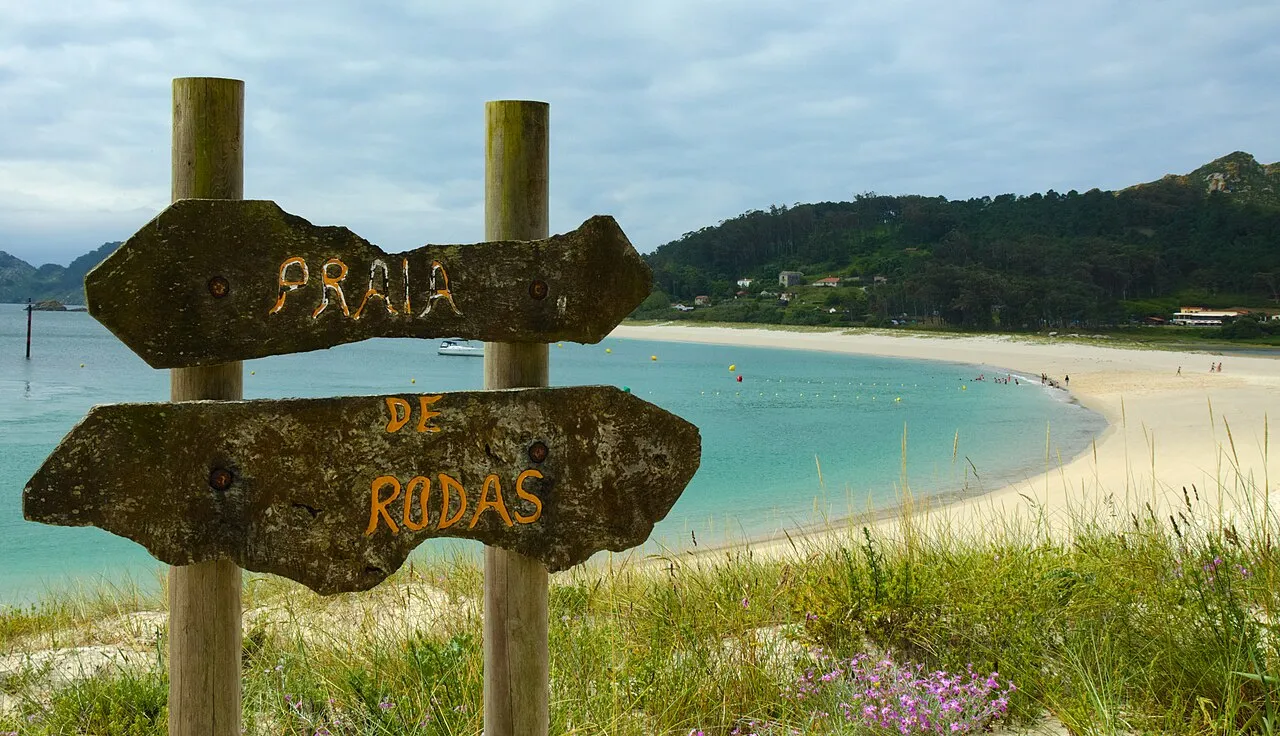
It sounds brutal, but it happens to hundreds of unprepared travelers every single summer. The Cíes Islands aren’t your typical seaside resort where you can just stroll onto the sand whenever you fancy. They are part of the heavily protected Galician Atlantic Islands National Park, and the local authorities do not play around when it comes to conservation. If you want to see the legendary Rodas Beach—which was famously voted one of the best beaches in the world—you need to plan like an absolute pro. For the complete, non-commercial breakdown on rules and restrictions, check out the official National Park Website before you even think about setting off.
The biggest hurdle is the strict daily visitor cap. To keep this untouched paradise from getting completely trashed by overtourism, the regional government enforces a hard limit of just 1,800 visitors per day during the high season, which runs from May 15th to September 15th, plus Easter week. Once those 1,800 slots are gone, the digital iron curtain falls, and no amount of begging will get you onto that boat. If you’re plotting a trip here during the peak summer months, you are competing with thousands of locals and clued-in international travelers who are all staring at the exact same booking calendar.
So, how do you actually secure your spot? It all comes down to a strict booking window. In 2026, the official booking system only allows you to request an administrative permit a maximum of 90 days in advance. This means if you are eyeing up a gorgeous weekend afternoon in mid-July, you can’t afford to wait until June to check availability. You need to mark your calendar for mid-April and jump on the system the second that window opens. If you’re traveling from further afield, you’ll want to sort out your base camp nearby well in advance too—most people base themselves in the vibrant city of Vigo, where you can find great places to stay on Booking.com or lock in an excellent rental vehicle through DiscoverCars right at the airport to explore the wider, rugged Galician coastline.
But getting your hands on that initial pre-booking code is only half the battle. There is a massive, high-stakes trap built into the official system that catches out unsuspecting travelers every single day, and if you don’t know the golden rule, your hard-earned permit will vanish into thin air before you can even type in your credit card details.
2. The Two-Hour Booking Countdown: Don’t Let Your Permit Vanish
Here is the high-stakes trap you need to watch out for: the infamous two-hour countdown. When you log onto the official Xunta de Galicia portal to claim your daily entry permit, the system doesn’t just hand you a golden ticket and wish you a nice day. Instead, it grants you a temporary pre-reservation code. The second that code hits your screen, an invisible digital clock starts ticking down from 120 minutes.
Crucial Safety Warning: You have exactly two hours to head over to an authorized ferry operator’s website and purchase your physical boat ticket using that exact pre-reservation number. If you get distracted, make a brew, or get stuck looking for your credit card and let those two hours slip away, the system ruthlessly deletes your code, puts the slot back up for grabs, and you have to start the entire stressful process all over again.
When you are entering your details on the official portal, make sure you have the full legal names, dates of birth, and passport or ID numbers for every single person in your group ready to type. The system forces you to log these details exactly, and the staff at the ferry terminals will read your QR codes and cross-reference them with your physical ID before they even let you step on the gangway. It’s a tight ship, both literally and figuratively.
To make sure you don’t get caught out, it helps to know who you’re actually buying from. The main authorized ferry lines pulling out of the Galician ports are Naviera Mar de Ons and Naviera Nabia. The main hub is Vigo, but you can also catch boats from neighboring Cangas or further down the coast in Baiona. The crossing itself takes about 45 minutes, and on a sunny day, sitting on the top deck watching the rugged coastline fade into the distance is half the fun.
If all of this administrative hoop-jumping sounds like a massive headache, there is a cheeky alternative. You can skip the government website altogether by booking an organized day trip or guided excursion through platforms like GetYourGuide or Viator. Many of these authorized tour operators bundle the mandatory national park entry permit directly into their ticket price, meaning they do the heavy lifting and bureaucratic legwork for you. It’s a massive lifesaver if you’re planning last-minute and find the official government calendar completely greyed out, as tour groups occasionally hold their own independent blocks of permits.
No matter which route you choose, you’ll want to line up your departure logistics properly. If you want to grab an early morning ferry to maximize your time on the islands—which is highly recommended—staying right near the Vigo port the night before is a brilliant move. You can scout out some fantastic waterfront hotels or handy apartments on Booking.com to make sure you can roll out of bed and walk straight onto the dock without stressing about morning traffic.
Once you’ve successfully jumped through the digital hoops, matched your pre-reservation code to a ferry ticket, and received your final QR code via email, you are officially locked in. But don’t think you can just step off the boat onto Rodas Beach and act like you own the place. The Cíes Islands are a pristine wilderness, and the park rangers have a strict set of ground rules that will get you booted off the island faster than you can say “Galicia” if you dare to break them.
3. The Ranger Rules: Bins, Birds, and Pack-In, Pack-Out Logistics
First rule of Cíes Islands club: there are absolutely no rubbish bins on the islands. None. Zip. When you land, whatever you bring with you has to leave with you. If you buy a bag of crisps at the ferry port or pack a full picnic lunch, you are legally obligated to carry every single wrapper, plastic bottle, and apple core back to the mainland in your daypack. The park rangers do regular sweeps, and dropping so much as a single cigarette butt will land you an eye-watering fine. It sounds intense, but it’s exactly why these islands look like an untouched paradise rather than an overcrowded tourist trap.
Because the islands are completely untamed, you won’t find a sprawling row of high-street shops, pharmacies, or supermarkets when you step off the boat. There are a couple of small restaurants and a basic shop attached to the campsite, but prices are steep and stocks are limited. You need to pack smart. Bring plenty of water, some high-energy snacks, high-factor sun cream, and decent walking shoes because the hiking trails here are no joke.
Keep An Eye on the Wildlife: The Cíes Islands are home to one of the largest colonies of yellow-legged gulls in the world. These aren’t your average, timid garden birds; these guys are seasoned professionals. If you leave your backpack unzipped or drop your guard while eating a sandwich on Rodas Beach, a gull will swoop down and snatch it right out of your hand before you can even blink. Keep your food securely zipped away, and don’t even think about feeding them—the rangers are always watching, and they want the wildlife to stay wild.
Speaking of island logistics, don’t expect flawless, high-speed Wi-Fi roaming out in the middle of the Atlantic. While you can get a decent mobile signal from the mainland on certain high cliffs, it can be incredibly spotty down on the beaches or deep in the pine forests. If you’re an international traveler trying to navigate or upload your shots without racking up massive data fees, it’s a smart move to download an eSIM from Airalo before you board the ferry. Having a reliable local data connection ensures you can check live ferry timetables or map coordinates on the go without losing touch.
Another crucial thing to consider is safety. There are no emergency rooms or hospitals on these islands—just a basic first-aid station that operates during the peak summer hours. If you twist an ankle on the rocky, steep trails leading up to the Monte Faro lighthouse, you’re looking at a mandatory boat ride back to Vigo to see a doctor. Because unexpected mishaps can happen when you’re scrambling over granite cliffs, make sure you’ve sorted out comprehensive travel insurance with a reliable provider like EKTA before your trip. It gives you massive peace of mind knowing you’re fully covered for any medical hiccups while exploring Spain’s rugged wilderness.
Now, if you’re thinking that a single afternoon isn’t nearly enough time to take in the dramatic cliffs, hidden caves, and Caribbean-style beaches, you’re spot on. The absolute best way to experience the islands without the daytime crowds is to stay overnight. But just like the ferry tickets, securing a spot to sleep here comes with a massive catch that completely ruins the plans of anyone who tries to wing it.
4. Staying Overnight: The Campsite Backdoor Secret
If you want to wake up to the absolute bliss of a deserted paradise, staying overnight is the ultimate move. But here is the thing: there are no hotels, no luxury resorts, and definitely no Airbnbs on the Cíes Islands. Your only option is the single, eco-friendly campsite tucked away under the pine trees.
Insider Secret: Booking a spot at the campsite is a brilliant back-door route to getting onto the island. When you secure a tent pitch or rent one of their pre-erected tents at the official campsite, the management team automatically handles your National Park entry permit for you. You get to completely bypass the frantic morning scramble on the government portal.
Don’t think this means you can relax, though. The campsite caps its capacity tightly, and slots for peak summer weekends vanish almost the moment they go live. If you miss out on both the ferry permits and the campsite, you’ll have to keep your boots on the mainland. If that happens, don’t panic—the rest of the Galician coast is stunning. You can easily pivot and build a brilliant northern Spain road trip by sorting your alternative bases through Agoda or Expedia to explore historic nearby gems like Santiago de Compostela.
For those lucky enough to score a permit or a campsite pitch, the real magic happens after the final evening ferry chugs back to Vigo. The daytime crowds completely evaporate, leaving the entire island blissfully quiet. The hiking paths are beautifully maintained, but they aren’t casual boardwalks. The trek up to the main lighthouse involves a steady, zigzagging incline that will definitely get your calves burning, but the panoramic views over the sheer cliffs dropping into the ocean are worth every ounce of sweat. You can watch a dramatic Atlantic sunset with nothing but the wind and the gulls for company, or wander down to the secluded Nosa Señora beach for a peaceful evening dip.
At the end of the day, the Cíes Islands are a stark reminder of why slow, organized travel is making a massive comeback in 2026. This paradise rewards the people who mark their calendars and do the boring admin work early. So, check that 90-day window, gather your mates’ passport numbers, and lock it in. When you’re standing on the shores of a Spanish island that looks exactly like the Caribbean, every single bit of early planning will make total sense.
🇪🇸 More Expert Spain Travel & Logistics Guides
- Weighing up transit choices down south? See my comprehensive Andalusia train vs car guide.
- Driving up north? Be fully prepared for navigating Asturias’ narrow coastal roads.
- Hunting for wild, crowd-free shores? Explore the hidden beaches of northern Galicia.
- Island hopping in the Med? Master your connections with my guide to Balearic transport hubs.
- Visiting a picturesque northern fishing village? Read my complete Cudillero travel guide.
- Heading to the Balearics car-free? Learn how to navigate Menorca beaches without a car.
- Planning a Pyrenees climbing adventure? Check out the best Alquezar climbing accommodation.
- Looking for historic, high-end stays? Use my expert guide to booking Spanish Parador hotels.