Basked in year-round Mediterranean sunshine, Alicante blends hilltop medieval fortresses, whitewashed old-town alleys, and lively palm-lined boulevards. Whether you’re craving fresh seafood tapas, golden beaches, or island day trips, this coastal gem delivers the ultimate Spanish getaway.
Quick Guide Navigation
Explore Alicante Map
Use the interactive map below to zoom in on key attractions, the historic old town, coastal paths, and ferry departure points.
Alicante Uncovered: Castles, Cobblestones, and Mediterranean Magic
Quick heads-up: Some of the links in this post are affiliate links. This means if you book a tour or secure a room through them, I earn a small commission at zero absolute extra cost to you. I only suggest things I genuinely trust, and your support keeps this site running!
If your idea of a classic Spanish getaway involves golden sunshine, clinking glasses of local Monastrell wine, and dipping your toes in warm turquoise water right after exploring a medieval fortress, Alicante delivers on every count. Perched on Spain’s radiant Costa Blanca, this coastal city marries effortless beach vibes with centuries of rich history. Whether you land here for a sun-drenched weekend or use it as your basecamp for coastal road trips, the city greets you with palm trees swaying in sea breezes that regularly sit at a balmy 22°C to 25°C (72°F to 77°F) throughout long sunny seasons.
Getting into town from Alicante–Elche Miguel Hernández Airport (ALC) is wonderfully straightforward. It sits roughly 12 km (about 7.5 miles) south of the centre, meaning you can easily pre-book a hassle-free private ride with Welcome Pickups or hop straight onto the municipal C6 airport bus. To keep your Google Maps running smoothly without paying exorbitant roaming fees, grabbing an affordable digital travel pass from Airalo before you fly makes finding your way around a total breeze.
The Fortress in the Sky: Castillo de Santa Bárbara
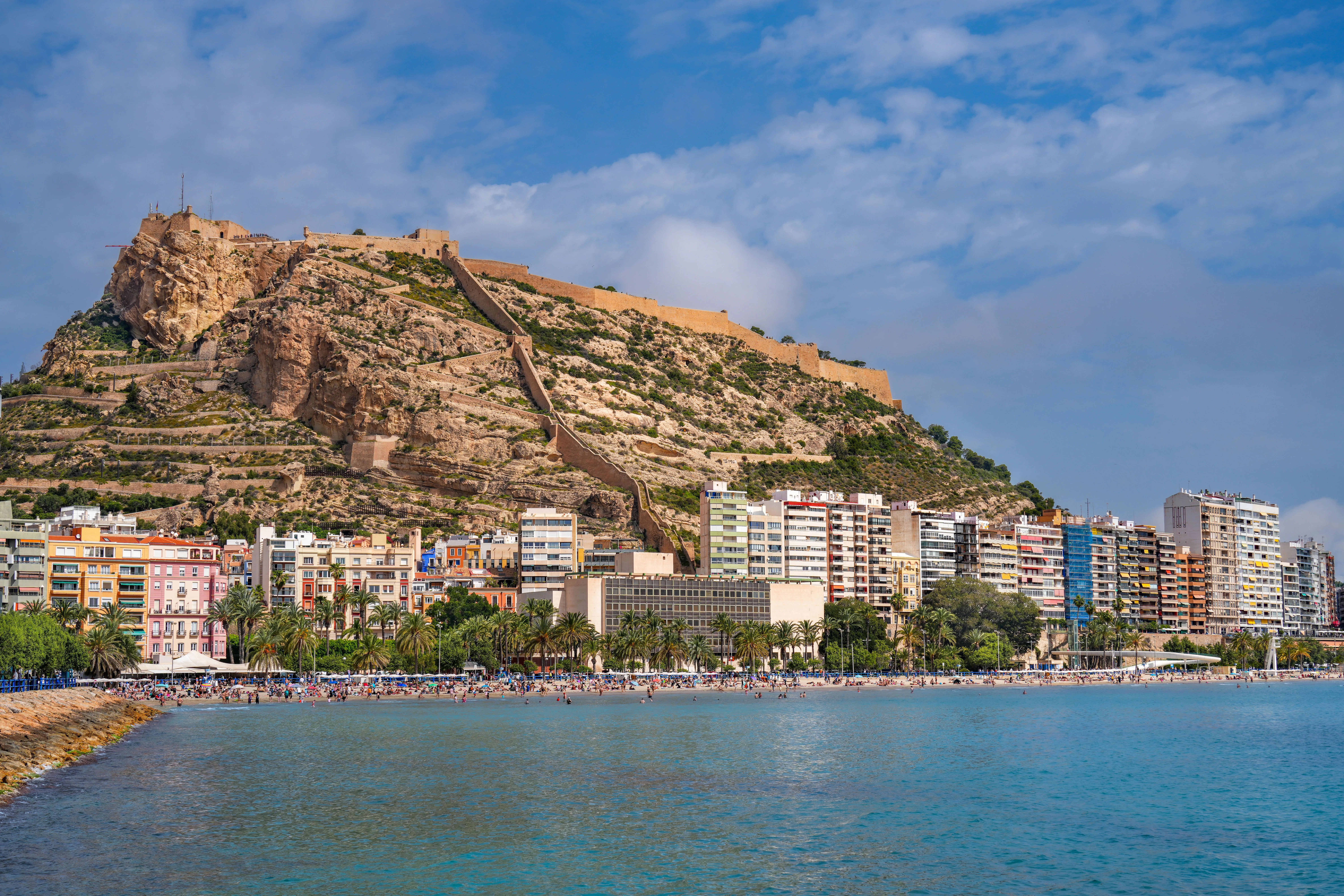
No matter where you stand along the waterfront, your eyes will naturally drift upward to Mount Benacantil, a 166-metre-tall (around 545 feet) limestone outcrop crowned by the dramatic Castillo de Santa Bárbara. Dating back to the 9th century during Moorish rule, this sprawling fortress is one of the largest medieval complexes in Spain. From the top battlements, you are treated to sweeping 360-degree vistas across the bustling marina, the terracotta roofs of the old quarter, and endless Mediterranean blue.
Best of all, wandering the castle grounds and ramparts is completely free of charge. If you want to skip the steep uphill hike in the afternoon heat, you can catch the lift built straight through the rock face opposite Postiguet Beach for just €2.70 (roughly $2.90 USD). For opening hours, special events, and local historical exhibitions, you can check the official Alicante City & Beach Tourism Portal.
After soaking in the sweeping views from the battlements, make your way down via the hillside pathway toward the historic core. If you fancy waking up right below the castle walls, securing a boutique room through Booking.com in the neighbouring streets lets you experience the quiet morning charm of the historic centre before the day-trippers arrive.
Getting Lost in Barrio Santa Cruz & The Historic Heart
Tucked right into the lower slopes beneath the castle lies Barrio de Santa Cruz, Alicante’s most enchanting and photogenic corner. This historic neighbourhood feels a world away from modern city life. Its narrow, winding alleyways are lined with whitewashed houses, vivid blue doors, wrought-iron balconies, and cascading pots of bright pink geraniums and purple bougainvillea.
Exploring Santa Cruz is best done on foot with no strict itinerary. Stroll up through the stepped walkways to the peaceful Ermita de Santa Cruz, a lovely 18th-century hermitage that offers a quiet terrace with romantic views over the bay. To dig deeper into the fascinating lore and hidden legends behind these centuries-old alleys at your own pace, downloading an interactive smartphone audio tour from WeGoTrip turns your wander into a personal treasure hunt.
As you step down from the hillside into the flatter streets of El Casco Antiguo (the Old Town), the scene opens up to charming plazas and bustling cafes. Take time to admire the grand facade of the Concatedral de San Nicolás de Bari, a 17th-century co-cathedral built over a former mosque, featuring a striking 45-metre-high (about 148 feet) blue dome. If you prefer learning the quirky cultural stories alongside a local expert, hopping on a small-group historic walking tour with GetYourGuide is a brilliant way to uncover hidden architectural gems.
For a hit of world-class culture without spending a single cent, head directly to the Museo de Arte Contemporáneo de Alicante (MACA) located in the Plaza de Santa María. Housed in the city’s oldest civil building—the 17th-century Casa de la Asegurada—MACA showcases incredible 20th-century works by Spanish masters including Joan Miró, Pablo Picasso, Salvador Dalí, and local hero Eusebio Sempere. General admission to the permanent collection is completely free year-round; just check the official MACA portal for current opening hours and rotating temporary exhibitions.
Coastal Strolls, Golden Sands, and Market Flavours
Few cities integrate the Mediterranean shoreline into daily life quite like Alicante. Stretching gracefully alongside the marina is the Explanada de España, one of Spain’s most iconic pedestrian avenues. Lined with towering rows of date palms, the boulevard is famous for its intricate mosaic wave pattern crafted from more than 6.6 million individual marble tiles in red, white, and blue. A leisurely 1.5 km stroll (around 0.9 miles) here lets you soak in the gentle coastal air while browsing artisan handicraft stalls and street performers.
Right at the end of the promenade sits Playa del Postiguet, the city’s beloved golden-sand beach. Resting directly at the foot of Mount Benacantil, Postiguet offers calm, shallow waters that regularly reach a refreshing 24°C (75°F) in peak summer. If you fancy exploring further along the coast toward the wide, sprawling dunes of San Juan Beach, booking a comfortable city cruiser or e-bike through BikesBooking.com lets you cruise the dedicated waterfront bike lanes with ease.
When your appetite kicks in, make a beeline inland for the bustling Mercado Central de Alicante. Housed inside an impressive modernist-inspired building dating from 1921, this massive two-storey market hall is the beating heart of local culinary culture. It is completely free to enter and wander the vibrant aisles packed with fresh Mediterranean seafood, cured Iberian hams, local cheeses, and sun-ripened produce from the surrounding Huerta de Alicante.
Grab a freshly poured caña (small beer) and a wedge of classic tortilla de patatas at one of the lively market counter bars for around €3.50 (roughly $3.80 USD). If you want to dive deeper into Alicante’s renowned rice dishes (arroz a banda) and regional wines, joining an expert-led tapas and market tasting tour with Viator guarantees you sample the absolute best authentic bites without the guesswork. You can check daily vendor hours and seasonal events directly on the official Mercado Central portal.
Island Escapes, Day Trips, and Getting Around
While Alicante holds plenty of charm within walking distance, the surrounding coastline and crystal-clear offshore waters offer incredible day-trip adventures. Just 22 km (around 13.5 miles) south of the marina lies the Isla de Tabarca, the only permanently inhabited island in the Valencia region. Declared Spain’s very first Marine Reserve in 1986, the waters circling Tabarca are teeming with marine life, making it a dream destination for snorkelling and swimming.
To visit Tabarca, regular ferries and glass-bottom catamarans run daily from the Alicante port, with round-trip tickets typically costing around €22 (roughly $24 USD). You can pre-book your Tabarca ferry tickets on Tiqets to skip the ticket booth queues on sunny mornings. Once on the island, wandering the fortified 18th-century village walls, visiting the historic lighthouse, and exploring the rocky coastal paths is completely free of charge.
If you are eager to head inland to explore the cliffside village of Guadalest or the turquoise natural pools of Las Fuentes del Algar, picking up a rental car via DiscoverCars gives you total freedom to navigate the scenic mountain roads at your own pace.
For quick, budget-friendly coastal travel heading north toward the picturesque seaside towns of Villajoyosa, Altea, and Benidorm, the TRAM d’Alacant light rail system runs right along the cliff edges with breathtaking Mediterranean views. Tickets start at just €1.45 (roughly $1.60 USD) for local zones. You can check maps, station stops, and live schedules directly on the official TRAM Alicante network portal.
Explore More Spanish Travel & Transit Guides
Planning to see more of Spain? Check out our practical guides below to help you navigate regional transit connections, find secluded coastlines, and book unforgettable historic stays.
- Andalusia Train vs Car Guide: How to Choose the Best Route Across Southern Spain
- Hidden Beaches of Northern Galicia: Wild Coves and Coastal Escapes
- Balearic Islands Transport Hubs: Navigating Ferries, Flights, and Island Connections
- The Complete Guide to Booking Spanish Parador Hotels: Castles, Monasteries & Luxury Stays